
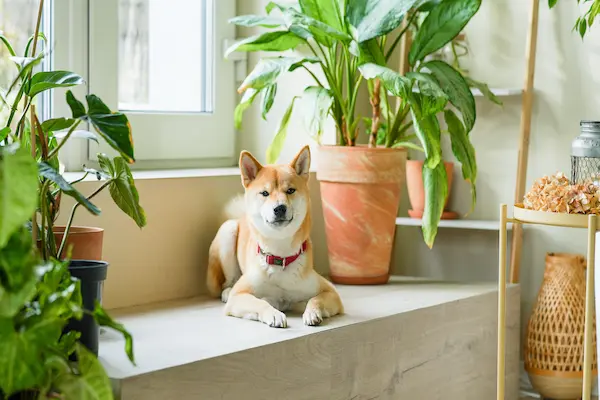
Decorating a home with plants can make rooms feel calmer, greener and more alive, yet when those same rooms are also playgrounds and nap spots for cats and dogs, every pot you add becomes a small safety decision as well as a style choice, which can feel like a lot to juggle when you are just trying to make your space feel cozy.
Many popular houseplants were chosen for their dramatic foliage or easy care and not for their compatibility with curious paws and teeth, so relying only on trend lists or pretty photos can accidentally bring toxic leaves into reach of pets who explore the world by sniffing, batting, chewing and occasionally swallowing pieces of whatever looks interesting or moves in a tempting way.
A carefully assembled pet friendly plant list helps shift the focus from guesswork and anxiety to a more structured, safety-first approach, where you know which common houseplants are generally considered non-toxic to cats and dogs, which ones are clearly unsafe or best kept far out of reach, and how to verify information when you encounter new varieties at garden centres or online shops.
This guide is written for pet owners who want to decorate safely, so the tone stays responsible, clear and gentle; instead of promising that any plant is completely risk free, it explains what “pet safe” usually means in practice, outlines simple care notes for selected plants, and shows you how to double-check toxicity claims before you bring something new into your home.
By the end, you will have a structured safe plant list, a short avoid list of especially risky favourites, practical verification tips using reputable resources, and a few reminders about allergy and ingestion considerations, so you can enjoy both greenery and wagging tails with more confidence.
Safety first: what “pet friendly” really means for plants in a home
When people talk about a pet friendly plant list, they often imagine plants that animals can chew as if they were salad with no consequences at all, yet most veterinary and poison-control guidance uses a slightly more cautious definition, which is important to understand before you let animals treat your foliage as snacks.
Key points behind the “pet friendly” label
- Non-toxic in this context usually means that a plant is not expected to cause serious poisoning in cats or dogs if a small amount is eaten, but mild stomach upset or vomiting can still happen whenever animals eat plant material of any kind.
- Individual pets can have unique sensitivities or allergies, so a plant that is harmless for one animal might irritate another, particularly for animals with existing digestive or skin issues.
- Soil, fertilisers and any leaf sprays you use around a safe plant also need to be chosen carefully, because a plant itself might be considered non-toxic while the products around it are not.
- Placement matters; even a safe plant may be better in a spot where cats are less tempted to dig the soil or where large dogs are less likely to knock over heavy pots and injure themselves.
- Information about toxicity is often based on reported cases and known chemical contents, which means caution is still wise when you are unsure about a less common variety or hybrid.
Keeping these nuances in mind helps prevent the false impression that “non-toxic” and “edible as a snack” are the same, and it encourages a balanced approach where pet safety and plant enjoyment can coexist.
Verification tips: how to check whether a plant is safe for cats and dogs
Before you add any new entry to your personal pet friendly plant list, a short verification routine can save you from difficult surprises, and this section explains how to research toxicity without relying on random social media comments or unclear marketing labels.
Simple research steps to check plant safety
- Write down both the common name and the botanical name if possible, because many different plants share similar common names, and toxicity databases usually list plants by their scientific names.
- Consult a reputable plant toxicity database that explicitly covers cats and dogs, such as those run by major animal welfare organisations or veterinary institutions, and search using both names you collected.
- Look for clear statements that a plant is “non-toxic to cats and dogs” or “toxic to cats and dogs,” rather than relying on vague phrases like “pet friendly” that might only refer to marketing claims.
- Check at least two trustworthy sources when possible, especially if the plant is rare or if information seems inconsistent across references.
- Ask your veterinarian or a local veterinary poison-control service for guidance if you remain unsure or if your pet has special health conditions that could change how they react to plant materials.
Warning signs of unreliable information
- Lists with no explanation of how plants were evaluated or where the toxicity information came from.
- Claims that all plants of a huge category (for example “all ferns” or “all succulents”) are safe or unsafe, without acknowledging differences between species.
- Advice that encourages letting pets chew on plants as enrichment, without mentioning the risk of even non-toxic plants causing stomach upset.
- Sources that conflict dramatically with major veterinary or animal welfare databases, especially when no scientific or veterinary explanation is provided.
Using a cautious, research-based routine for plant selection may add a few minutes to your shopping process, yet it dramatically increases confidence that your final pet friendly plant list aligns with safety-first best practice.
A pet friendly plant list: common indoor plants generally considered non-toxic
The following sections describe widely available houseplants that major toxicity databases and veterinary guidance describe as non-toxic to cats and dogs, remembering that even these plants should ideally be kept as decor rather than snacks, and that any unusual symptoms after chewing should still prompt a call to your veterinarian.
Soft and arching: spider plant
- Common name: Spider plant, ribbon plant, spider ivy.
- Botanical name: Chlorophytum comosum.
- Pet safety overview: Classified as non-toxic to both cats and dogs by major poison-control resources, although nibbling can still cause minor digestive upset in some animals.
- Care notes: Prefers bright, indirect light but tolerates medium light; enjoys regular watering with a slight dry-out between waterings, and produces baby plantlets that can be propagated easily.
- Placement tips: Hanging baskets keep the long, playful leaves out of constant reach while still allowing cats to watch them, which can reduce the temptation to chew.
Elegant fronds: parlor palm and similar true palms
- Common name: Parlor palm, good luck palm.
- Botanical name: Chamaedorea elegans.
- Pet safety overview: Non-toxic to cats and dogs according to recognised toxicity lists, making it a classic choice for pet-friendly greenery.
- Care notes: Thrives in bright, indirect light but handles lower light better than many houseplants; appreciates evenly moist yet well-draining soil and does not like to sit in waterlogged conditions.
- Placement tips: Works nicely as a floor plant in corners or near windows where pets walk past rather than through the fronds, reducing the chance of leaves being broken by excited tails.
Feathery textures: Boston fern and other true ferns
- Common name: Boston fern.
- Botanical name: Nephrolepis exaltata bostoniensis.
- Pet safety overview: Listed as non-toxic to cats and dogs by major poison-control databases, although eating large quantities may still cause mild stomach upset simply because it is fibrous plant matter.
- Care notes: Enjoys high humidity and indirect light, with consistently moist (but not soggy) soil; fronds can crisp at the tips in very dry air, which is a sign that the plant might appreciate misting or a pebble tray.
- Placement tips: Hanging or elevated positions keep the fluffy fronds visible and decorative while limiting direct access to playful chewers.
Compact bloomers: African violet
- Common name: African violet.
- Botanical name: Saintpaulia species.
- Pet safety overview: Classified as non-toxic for dogs and cats by major animal welfare organisations, making it an appealing choice for a flowering accent in pet homes.
- Care notes: Prefers bright, filtered light and likes to be watered from below or very carefully at soil level so that water does not sit on its fuzzy leaves; thrives in evenly moist soil and moderate humidity.
- Placement tips: Small pots fit easily on shelves or plant stands where pets are less likely to knock them over when running or jumping.
Textured foliage: friendship plant
- Common name: Friendship plant.
- Botanical name: Pilea involucrata.
- Pet safety overview: Recognised as non-toxic for dogs and cats by multiple pet-safety and plant references, which frequently highlight it as a friendly choice for homes shared with animals.
- Care notes: Grows well in medium to low indirect light with consistently moist, well-draining soil; its soft, patterned leaves add interest in small pots and terrariums.
- Placement tips: Works nicely in closed or semi-closed containers like terrariums, which further limit pet access while still providing a green focal point.
Striped and patterned leaves: many calatheas and prayer plants
- Common names: Calathea, zebra plant, rattlesnake plant, prayer plant (maranta).
- Botanical groups: Calathea and Maranta species.
- Pet safety overview: Commonly noted in plant and vet-adjacent guides as non-toxic to cats and dogs, yet individual reactions are always possible, so observation remains important.
- Care notes: Prefer bright but indirect light, high humidity and consistently moist soil; can be considered a little more finicky than spider plants or parlor palms, yet rewarding for people who enjoy patterned foliage.
- Placement tips: Ideal for tables or stands away from heavy traffic, since leaves can be delicate and prone to damage from rough play or chewing.
Trailing and vining options: select non-toxic small vines
When building a pet friendly plant list, many popular trailing plants like pothos and some philodendrons are unfortunately toxic, yet a few safe-in-general trailing options can still provide that flowing, hanging look if you want cascading greenery.
- Non-toxic candidates: Some varieties of peperomia and certain trailing ferns and pilea relatives are considered non-toxic, though checking each specific species and cultivar by both common and botanical name remains very important.
- Care notes: Light requirements vary from bright indirect to medium light, while watering ranges from evenly moist to slightly drying between waterings; these plants typically appreciate well-draining soil and moderate humidity.
- Placement tips: Hanging baskets or wall shelves out of easy jumping range give you the trailing effect while drastically reducing the chance of a cat or dog reaching the foliage.
The plants listed above represent only part of the non-toxic options available, yet they provide a strong starting point for a pet-friendly collection built around safety, variety and relatively straightforward care.
Plants to handle carefully or avoid entirely around cats and dogs
A responsible pet friendly plant list does not stop at safe options; it also warns you about especially risky houseplants that are common in décor photos and shops, and which veterinary and poison-control resources consistently describe as toxic to cats and dogs when chewed or eaten.
Common houseplants often best avoided in pet-heavy homes
- Pothos and similar aroid vines:
- Includes golden pothos and similar Epipremnum species.
- Typically described as toxic to cats and dogs, causing oral irritation, drooling and vomiting if ingested.
- Often sold as an easy beginner plant, which can be misleading for pet owners.
- Philodendron varieties:
- Both climbing and split-leaf types fall into this group.
- Contain insoluble calcium oxalate crystals that can cause mouth and throat irritation, drooling and vomiting when chewed.
- Very popular in “jungle” style décor but generally safer in pet-free homes or behind strict barriers.
- Monstera deliciosa and related “Swiss cheese” plants:
- Frequently featured in design imagery due to large, perforated leaves.
- Reported as toxic when chewed by cats or dogs, often causing oral pain and swelling.
- Large leaves can be particularly tempting for bored or playful pets.
- Snake plant and similar Sansevieria species:
- Known for tolerance of low light and infrequent watering.
- Contain compounds that can cause gastrointestinal upset, including vomiting and diarrhoea, in cats and dogs if eaten.
- Best kept where pets cannot reach or replaced with non-toxic alternatives like parlor palm if you have persistent chewers.
- ZZ plant:
- Recognised for glossy, upright foliage and tough nature.
- Contains substances that can irritate mouths and potentially skin in pets, leading to drooling and other signs if they chew leaves or stems.
- Often recommended for offices but may not be ideal for homes where animals regularly interact with plants.
- Peace lily and many other lily species:
- Peace lilies contain irritant compounds, and true lilies are especially dangerous to cats, even in small amounts, potentially causing serious organ damage.
- Because of this risk, many veterinary sources recommend avoiding lilies altogether in homes with cats.
- Aloe vera:
- Often grown for human skin soothing uses, yet the plant can cause vomiting and diarrhoea in pets which chew or ingest it.
- Outer leaf parts and sap are of particular concern, so it is usually safer to keep aloe out of reach or outside pet areas.
- Sago palm and other highly toxic species:
- Sago palm is considered extremely dangerous for pets; ingestion of seeds or parts of the plant can lead to severe illness and can be fatal.
- Because of this high risk, experts strongly recommend excluding sago palms from any home or garden where pets may have access.
Seeing these plants on an avoid list does not mean you should panic if one is already in your home, but it does mean that relocating them beyond pet access or rehoming them to a pet-free environment is worth considering as part of a safety-first approach.
Care notes: keeping pet-friendly plants healthy so they remain good companions
Choosing safe plants is only part of building a pet friendly plant list; healthy plants tend to shed fewer leaves, harbour fewer pests and feel less interesting as chew toys than limp or stressed specimens, so basic care matters for both appearance and pet safety.
General care guidelines for many non-toxic houseplants
- Light: Most pet-safe foliage plants like spider plants, parlor palms and many ferns enjoy bright, indirect light, meaning near windows but not pressed up against glass in strong midday sun; too much direct light can scorch leaves, while too little results in weak, stretched growth.
- Water: Soil that is allowed to dry slightly between waterings, then watered thoroughly and drained, suits many species; constant sogginess can stress roots and encourage fungus or insects, which can complicate pet safety if pets lick or dig in damp soil.
- Humidity: Ferns, calatheas and some flowering plants appreciate higher humidity; this can be provided by grouping plants, using pebble trays or selecting bathrooms with windows, all of which also keep leaves less attractive as chew toys since they remain robust and flexible.
- Soil and pots: Well-draining potting mixes paired with containers that have drainage holes help prevent water from pooling around roots, which keeps plants healthier and reduces the chance of mould growing on soil surfaces where pets might sniff or paw.
- Fertilisers: When using fertilisers, choose products designed for indoor plants, follow directions carefully, and avoid over-fertilising, since concentrated fertiliser residue on soil could pose an irritation or ingestion risk if pets dig or lick around pots.
Placement strategies that protect plants and pets
- Place smaller pots on shelves, plant stands or inside bookcases at heights where cats are less likely to land and dogs are less likely to bump them, while still ensuring the plants receive appropriate light.
- Use hanging planters for cascading species like spider plants or trailing ferns, taking care to install hardware securely so curious pets cannot pull them down.
- Reserve low floor space for pet-safe large plants only if your animals show little interest in chewing leaves; otherwise, favour taller plant stands or corner shelving systems.
- Keep particularly tempting items, such as grasses or very dangly leaves, in rooms that pets do not access unsupervised, or use barriers like decorative screens when you cannot supervise directly.
- Provide your animals with appropriate enrichment—cat grass, chew toys, scratching posts and play sessions—so they have more interesting things to focus on than leafy foliage.
When plants are healthy and well placed, both your pet and your greenery have better chances of coexisting comfortably without constant worry or damage.
What to do if a pet chews or eats a plant
Even with a carefully curated pet friendly plant list, cats and dogs sometimes surprise you by nibbling on leaves or digging in soil, so having a simple response plan prepared can reduce panic and help you act quickly and appropriately.
Immediate steps if a plant is chewed
- Calmly remove your pet from the plant and check their mouth and paws for visible plant pieces, irritation or drooling, avoiding putting your fingers too far into the mouth where you might be bitten accidentally.
- Identify the plant as precisely as possible, noting both the common and botanical names if you know them; if you do not, take clear photos of the entire plant, leaves and stems.
- Observe your pet for signs such as vomiting, excessive drooling, pawing at the mouth, changes in behaviour, difficulty walking or signs of pain.
- Contact your veterinarian or an animal poison-control service promptly, especially if the plant is known to be toxic or if any concerning signs appear.
- Follow professional advice exactly, providing them with photos and any plant care labels you have kept, and do not attempt home remedies or induce vomiting unless specifically instructed.
When the plant is believed to be non-toxic
- If your pet chews a plant from your carefully researched pet friendly plant list, mild stomach upset may still occur, yet serious poisoning is less likely; still, monitoring and communication with your vet are wise steps.
- Consider moving that particular plant out of easy reach if your pet seems to treat it as a toy; even harmless nibbling can lead to repeated vomiting or soil ingestion, which is uncomfortable for the animal and messy for you.
- Use the incident as a reminder to review your plant placement and enrichment options for your pet, maybe adding more appropriate chew toys or cat grass.
Preparation and calm observation are your strongest allies in these moments and align well with a safety-first philosophy for plant-loving pet homes.
Printable overview: pet friendly plant list and quick verification checklist
To make everyday decisions easier, a concise summary of safe plants, avoid plants and verification steps can be kept on the fridge, near your plant shelf or inside a notebook you carry when shopping.
| Category | Examples | Key Notes | Check |
|---|---|---|---|
| Generally Non-Toxic Houseplants |
|
|
|
| Common Toxic Houseplants to Avoid or Place Out of Reach |
|
|
|
| Verification Steps Before Buying |
|
|
|
| Placement and Care |
|
|
|
| If a Plant Is Chewed |
|
|
Using a summary like this alongside more detailed research builds a habit of safety-first plant selection that becomes almost automatic over time.
Final safety reminders and scope of this pet friendly plant list
The plants and categories in this guide are drawn from widely cited toxicity references and veterinary discussions, yet no written list can fully replace the up-to-date, case-specific guidance offered by your own veterinarian and by dedicated animal poison-control resources, especially if your pets have particular health conditions or behavioural habits that increase their risk of chewing household items.
Whenever your research indicates that a plant is non-toxic, it is still wise to assume that eating large amounts of any plant material could upset a pet’s stomach, and you should monitor animals for changes in appetite, energy, bowel habits or behaviour after any chewing episode, seeking professional advice if symptoms persist or intensify.
A pet friendly plant list works best when combined with good supervision, thoughtful placement, regular enrichment for your animals and a willingness to adjust your decorating choices if you discover that a particular plant type is simply too irresistible or irritating for your specific cat or dog.
With a careful, responsible approach that combines safe plant selection, clear avoid lists, basic care notes and reliable verification methods, you can enjoy a home that feels lush and green while still keeping the health of your four-legged companions at the centre of every planting decision.