

This guide walks step-by-step through assessing your space, grouping foods into logical zones, choosing affordable bins and label options, and setting up a basic food storage safety routine around dates and shelf life, all with a practical, no-shame tone aimed at family cooks who simply want their cupboards to work better.
Rather than chasing a perfectly styled pantry, the focus here is on clean, functional design that prioritizes visibility, easy access and waste reduction, so that your shelves feel tidy enough to support weeknight dinners, lunch boxes and snack attacks without requiring constant rearranging.
Why budget friendly pantry organization matters for family cooks
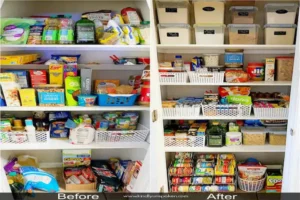
When the pantry is messy or overloaded, everyday cooking becomes a scavenger hunt, and that extra friction often leads to more takeout orders, repeated grocery purchases and forgotten food that expires at the back of a shelf.
Organized shelves, even if they are small and built from basic materials, give you a clear picture of what you own, which turns menu planning into a more efficient, less stressful task and supports the habit of cooking at home more often.
Good pantry zones and labels help kids and other family members find snacks and basics on their own, which reduces the number of “Where is the cereal” questions and makes it easier to share kitchen responsibilities.
Thoughtful food storage practices that include safe date checks also protect your family by helping you notice items that should be discarded for quality or safety reasons, rather than relying only on memory or vague guesses.
Most importantly, a realistic, budget friendly system respects the fact that you may not have a walk-in pantry or a matching container set, and instead shows you how to create order using what you have, plus a few low-cost additions where they make the biggest difference.
Step one: understand your pantry and your family’s cooking patterns
Jumping straight into buying bins can be tempting, yet taking a short time to analyze your space and habits first will save money and help your organization system last longer.
Measure and map your pantry space
- Measure the width, depth and height of each shelf or cabinet area where pantry items live, including any over-fridge cabinets or narrow side cupboards that currently act as mini pantries.
- Note which shelves are easiest to reach and which require a step stool, because frequently used items should live in the easier zones while rarely used items can go higher or deeper.
- Observe whether any shelves are especially deep, since these areas will benefit the most from bins or baskets that can be pulled forward like drawers.
- Sketch a quick map on paper showing the shelves from top to bottom, leaving room to write which pantry zones you plan to place in each area later.
Identify how your family actually uses pantry food
- List staples you buy regularly, such as pasta, rice, canned beans, baking ingredients, breakfast cereals, snacks and sauces, and note what runs out fastest.
- Think about who reaches into the pantry most often: adults cooking dinner, kids grabbing snacks, teens making late-night noodles or everyone sharing breakfast items at the same time.
- Notice any recurring pain points, like cereal boxes falling over, snack bags getting lost, or baking supplies scattering across multiple shelves.
- Make a short “must-fix” list that includes these real-life annoyances, because solving them is more important than creating a picture-perfect layout.
Creating pantry zones: group items so the shelves work like a store
Pantry zones are simply groups of items that serve similar purposes or are often used together, and building your organization around these zones makes cooking and restocking much easier.
Core budget friendly pantry zones for most families
- Breakfast and cereals: boxed cereals, oats, granola, pancake mix, breakfast bars and toppings such as nuts or dried fruit.
- Pasta, rice and grains: dry pasta, rice, quinoa, couscous, lentils and other shelf-stable grains or legumes.
- Canned goods: beans, tomatoes, vegetables, soups, tuna, chicken and other shelf-stable proteins stack best when grouped together.
- Baking and sweets: flour, sugar, cocoa, chocolate chips, baking powder, baking soda, vanilla and sprinkles.
- Oils, vinegars and condiments: cooking oils, vinegar, soy sauce, hot sauce, ketchup, mustard and salad dressings.
- Snacks: crackers, chips, pretzels, nuts, popcorn kernels and small individual snack packs for lunch boxes.
- Kids’ section (optional): snacks and lunch items that children are allowed to grab on their own, positioned at an accessible height.
- Back stock / extras: multiples of the same item that you purchased on sale or in bulk, reserved as refill supply for front zones.
Assigning zones to specific shelves
- Place everyday items used in most meals, such as grains and canned goods, at eye level or just below, in the middle shelves that are easiest to reach.
- Store kid-friendly snacks on a lower shelf where they can reach independently if that fits your household rules, or higher up if you need more control.
- Put baking supplies together on one shelf or half-shelf, even if you bake only occasionally, so that all ingredients are visible when you plan recipes.
- Reserve the highest or deepest shelves for back stock, appliances or large rarely used items like canning jars, extra paper goods or seasonal treats.
Once zones are chosen and placed, the rest of your budget friendly pantry organization decisions—bins, labels and storage habits—will build on this simple structure.
Affordable container ideas for clean, tidy pantry zones
Clear, matching storage can look beautiful, but you do not need a designer set to achieve functional, neat shelves; instead, you can combine a few smart purchases with repurposed containers to corral items and prevent chaos.
Budget-friendly pantry bins and baskets
- Use basic plastic bins from discount stores in sizes that fit your shelves, focusing on sturdy, easy-to-clean containers rather than premium brands.
- Repurpose sturdy cardboard boxes from bulk purchases or deliveries as temporary bins, wrapping them in plain paper if you want a cleaner look.
- Choose wire baskets or mesh bins for produce like onions and potatoes if you store them in a pantry area that stays cool, dark and well ventilated.
- Assign one basket to each high-traffic category, such as “Snacks,” “Breakfast,” or “Pasta & Rice,” so that when someone searches for those items they pull out a whole category instead of rummaging loosely on the shelf.
Using jars and repurposed containers wisely
- Save glass jars from sauces or pickles, clean them thoroughly and use them for dry goods like nuts, seeds, rice, lentils or baking decorations.
- Retain food-safe plastic containers from previous products when they are in good condition, labelling them clearly to avoid confusion about what is inside.
- Reserve airtight containers, whether new or repurposed, for items that go stale quickly, such as crackers, cereal, chips and certain flours, to stretch freshness and reduce waste.
- Group similar jars on a single shelf or section rather than scattering them everywhere, which creates a cleaner visual and makes it easier to check what needs refilling.
Low-cost risers and can organizers
- Create simple risers by placing short, sturdy boxes or low bins at the back of shelves so that items behind sit a little higher and remain visible.
- Invest in one or two tiered can organizers if your budget allows, since they dramatically reduce the “mystery can” issue in deep cupboards.
- Stack canned goods in neat rows by type, such as one row for beans, one for tomatoes and another for soups, to make both inventory checks and cooking faster.
- Use shallow cardboard trays from canned drink packs as temporary can organizers, labelling the front edge with the category inside.
Labeling strategies: clear labels that support everyday cooking
Labels are the small detail that makes pantry zones and bins truly workable, because once everything has a name and a home, family members are more likely to put items back where they belong instead of creating new random piles.
Basic label types for a budget friendly pantry
- Handwritten labels on masking tape or painter’s tape offer the lowest cost solution and are easy to update as categories change.
- Pre-cut label stickers or label-maker tapes give a cleaner look while still remaining affordable, especially when bought in multi-packs.
- Clip-on or hang tags work well for wire baskets and can be made from cardboard, index cards or small pieces of laminated paper.
- Chalkboard stickers or reusable label surfaces are helpful for containers that might frequently change contents, like bulk bins or snack jars.
What to include on pantry labels
- Category names for bins and baskets, such as “Snacks,” “Canned Beans,” “Baking Basics” or “Lunchbox Supplies,” make it obvious which shelf zone handles what.
- Item names for jars and repurposed containers, written clearly so there is no confusion between similar ingredients like sugar and salt or different flours.
- Purchase or decant dates on items that are likely to sit for a while, such as specialty grains or rarely used baking ingredients, to help you track age.
- Preparation notes if needed, for example “Cook 2:1 water to rice” on a jar of bulk rice to make life easier during busy evenings.
Label placement for clean, functional design
- Place labels on the front of bins at eye level where possible, so you can read them without pulling containers fully off the shelf.
- For deep shelves, label the top or side of containers that will sit behind others, so the contents are still visible when you glance across the front row.
- Apply labels to both jars and the shelf edge in high-traffic sections; duplicate labels make it clear both where an item is and where it should return.
- Keep the label style consistent across the pantry—same color marker, same tape or stickers—to create a calm, cohesive visual effect even with inexpensive materials.
Food date basics: safe, sensible use of “best by,” “use by” and “sell by” in the pantry
Understanding date labels is an important part of kitchen safety and smart pantry organization, because confusion around dates often leads to either unnecessary food waste or keeping items too long when quality or safety is in doubt.
Many public food safety resources explain that most date labels on packaged shelf-stable foods refer to quality rather than strict safety, with the exception of certain “use by” dates and specific items like infant formula, which should always follow their marked dates closely.
For a family pantry, it makes sense to treat these dates as guides and to combine them with visual and smell checks, while also following official storage guidelines for refrigerated and frozen foods as closely as possible.
Common date label terms and what they generally mean
- “Best if used by” or “best before” typically indicate the date up to which the manufacturer believes the product will be at peak quality; many shelf-stable items remain safe if stored correctly after this date, though texture or flavor may decline.
- “Use by” is often intended as the last recommended day for using the product at its best quality and, for certain perishable items, should be treated more strictly to support both safety and quality.
- “Sell by” dates are primarily meant for stores to manage inventory and do not directly tell you when a product must be discarded at home, although very old items may not be worth keeping.
- No date at all means you may need to rely on storage charts, product type guidance and your own observation to judge quality and safety.
Pantry safety practices around dates and storage
- Keep an eye on canned goods and shelf-stable packaging; check for dents, bulging, rust, leaking, or off smells when opened, and discard anything with signs of damage or spoilage immediately.
- Rotate foods using a “first in, first out” approach, moving older items to the front of shelves and placing newer purchases behind them so the oldest foods are used next.
- Group items by category and date within each zone when possible, so it is easier to spot which packages need to be used soon and which can wait.
- Write the purchase date or the date you decanted an item into a jar on the label or lid, particularly for products that may sit for months, like specialty flours or seldom-used grains.
When to trust your senses and when to be strict
- If a packaged food smells strange, has an off color, shows mold or has an unusual texture, it is safer to discard it, regardless of the printed date.
- Sealed canned goods that look physically sound and are within reasonable time frames from the “best by” date are often safe in a home pantry when stored in a cool, dry place, but any can with swelling, rust, or significant dents should be thrown away without tasting.
- Dry goods like pasta, rice and cereals may lose quality (becoming stale or hard) after long storage but are less likely to suddenly become dangerous when kept in a sealed container and inspected for pests or spoilage before use.
- Whenever you are uncertain about a product’s safety, particularly for vulnerable family members such as young children, elderly relatives or those with weakened immune systems, it is wise to follow official guidance and choose caution.
Step-by-step: budget friendly pantry organization in one weekend
Busy family schedules often make it hard to dedicate long hours to organizing, so this step-by-step flow is designed to break the process into manageable blocks that you can spread across one weekend or a few evenings.
Stage 1: quick clear-out and safety sweep
- Remove items from one shelf at a time, rather than emptying the entire pantry at once, and place them on a nearby table or countertop.
- Check each item quickly for visible damage, pests or obvious spoilage, discarding any product that is leaking, swollen, rusty, moldy or smells unpleasant.
- Glance at dates and set aside anything very far past its “best by” or “use by” date, especially if it is a high-risk item such as baby food or a product with visible quality changes.
- Wipe down the cleared shelf with warm soapy water or a mild cleaner, and allow it to dry before replacing any items.
Stage 2: sort everything into your chosen pantry zones
- Group items on the table by category, matching the pantry zones you identified earlier, such as “Pasta & Grains,” “Canned Goods,” “Snacks” and “Baking.”
- Move rarely used or specialty items (such as seasonal baking decorations or specialty flours) into a separate group so they do not take prime real estate.
- Set aside any unwanted or clearly excess items for donation if they are unopened, not past reasonable dates and allowed by local food pantry guidelines.
- Review each zone and consider whether its shelf assignment still makes sense based on how often your family uses those foods.
Stage 3: choose containers and arrange by visibility
- Place bins, baskets and jars on the clean shelves according to the priority of each zone, putting everyday foods at eye level and heavy items on lower shelves for safety.
- Arrange cans and boxes so labels face forward, mimicking a store shelf, which makes inventory checks and meal planning far faster.
- Use deep bins like drawers, placing lighter items toward the back and heavier ones at the front so bins are not difficult to pull out.
- Keep a small open space on at least one shelf to serve as a flexible landing zone for temporary overflow or new products waiting to be assigned a home.
Stage 4: label everything and establish simple rules
- Label each bin, basket and jar with its category or contents, using the labeling approach that best fits your budget and aesthetic preferences.
- Explain the new system to family members, pointing out where common items now live and any new rules such as “snacks from this bin only” or “cereal boxes stay in this section.”
- Set a guideline that items must return to their labeled container after use, and gently remind family members for the first few weeks while the habit forms.
- Note any categories that still feel chaotic, and consider whether an extra bin, divider or label would improve that section without significant extra cost.
Frugal design touches that make a small pantry feel clean and intentional
Function should always come first in a family pantry, yet a few low-cost design choices can make the space feel calmer and more pleasant to use, which in turn makes it easier to keep tidy.
Simple visual tricks for a cleaner look
- Stick to one or two container colors, such as white bins and clear jars, even if they are inexpensive; this creates a more cohesive look than a mix of many colors and patterns.
- Use shelf liners or plain contact paper to cover worn or stained shelves, creating a clean backdrop for your food storage.
- Line similar items in straight rows and keep bin fronts flush with the shelf edge so the pantry looks intentional rather than haphazard.
- Decant only the items that truly benefit from jars or containers, such as flours, sugar or frequently used snacks, so you do not waste time refilling containers that do not provide real value.
Maximizing vertical and door space without overspending
- Add inexpensive shelf risers where gaps between shelves are tall enough to accommodate a second tier, effectively doubling usable space for small cans or jars.
- Use over-the-door organizers with clear pockets or simple hooks on pantry doors for packets, seasoning mixes, wraps or lightweight tools.
- Install one or two adhesive hooks inside cabinet doors for hanging measuring spoons, small reusable shopping bags or aprons if space allows.
- Stack lightweight items like paper towels or plastic wrap on higher shelves, leaving lower zones free for heavy jars and canned goods.
Simple maintenance routines that protect your budget friendly pantry organization
An organized pantry will slide back into chaos if left alone indefinitely, so short, regular maintenance prevents big messes and keeps your system working smoothly for the long term.
Weekly five-minute pantry reset
- Choose one day of the week, perhaps right before or after grocery shopping, to do a quick scan of each zone, returning strays to their labeled homes.
- Check open packages of snacks, cereals and crackers to ensure they are sealed well, transferring any flimsy bags into jars or containers if they are going stale too quickly.
- Move older items to the front in each category so they will be used first, and mark one or two ingredients to base upcoming meals around.
- Wipe any crumbs or small spills on visible surfaces so the pantry stays clean and pests have less reason to investigate.
Monthly pantry mini-audit
- Choose one section each month—such as canned goods or baking supplies—and do a deeper review, checking dates, quality and how well the current bin and label system is working.
- Note which foods tend to go unused or expire, and adjust your shopping habits by buying smaller quantities or planning recipes to use them up earlier.
- Revisit donation possibilities for unopened items that your family realistically will not eat, as long as they are within acceptable date ranges and allowed by local food banks.
- Replace or repair any damaged bins, labels or liners, focusing on the few small upgrades that keep your pantry functioning well without a big financial outlay.
Closing thoughts: budget friendly pantry organization that respects real life
Creating a neat, functional pantry does not require a huge budget, a walk-in storage room or a matching set of designer containers; what it does require is a clear plan, a few inexpensive tools and a willingness to build habits that your entire household can realistically follow.
When you group foods into pantry zones, use simple bins and labels, and pay attention to food dates and storage conditions, you make it much easier to cook at home, reduce waste and shop with confidence that you are using what you buy.
Family cooks who juggle work, kids and tight grocery budgets deserve systems that support them instead of making them feel behind, and budget friendly pantry organization is one of those quiet, behind-the-scenes supports that can make daily meals smoother and less stressful.
Each time you put a can back in its labeled row, decant cereal into a jar that keeps it fresh, or plan dinner around older items at the front of the shelf, you are protecting your food budget, your kitchen safety and your peace of mind in a very practical way.
The goal is not perfection, but progress: a pantry that gradually becomes simpler to navigate, easier to clean and more aligned with how your family actually eats, so you can spend less time searching and more time enjoying meals together.