
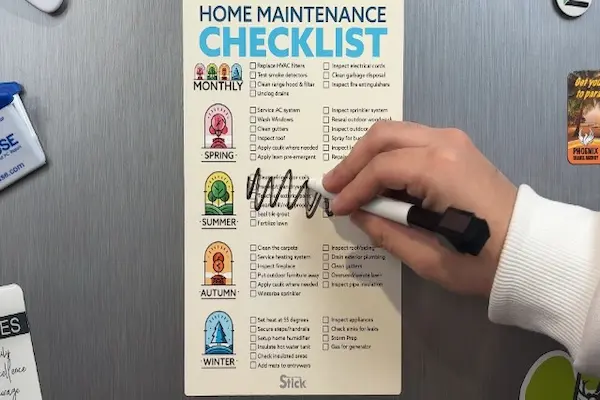
Buying a home for the first time often feels like stepping into a new chapter full of possibilities, yet behind the excitement there is also a quiet responsibility to keep the building safe, dry, efficient and comfortable throughout the year, which can feel like a lot to manage when you have never had to think about gutters, furnace filters or shutoff valves before.
Instead of trying to remember every task at once or reacting only when something breaks, a seasonal home maintenance checklist breaks home upkeep into small, time-blocked actions that are aligned with the natural rhythm of fall, winter, spring and summer, allowing you to catch problems early, prevent avoidable damage and spread both effort and cost more evenly across the year.
Home safety organisations, building inspectors and insurance companies consistently emphasise that regular maintenance is one of the most effective ways to prevent fires, water damage, heating failures and other costly emergencies, so taking a preventive, organised approach is not just about keeping things tidy, it is also about protecting your household’s health and finances.
This guide is written for first-time homeowners who need structure and clear instructions, so the tone remains practical and explanatory, focusing on what to do, when to do it and why it matters, while also including safety notes for tasks that may require professional help or extra caution.
By the end of this long, detailed walkthrough, you will have a quarterly checklist that covers all four seasons, suggested timelines for key tasks, short explanations of why each item matters, and simple reminders about safety, making it much easier to turn home upkeep into a steady habit rather than a last-minute scramble.
How to use this seasonal home maintenance checklist without feeling overwhelmed
Before diving into long task lists, it helps to understand how to use a seasonal home maintenance checklist in a way that supports your life instead of controlling it, because the goal is not perfection, it is steady, preventive care that fits beside work, family and rest.
Basic approach for first-time homeowners
- Review the yearly structure first, noticing which tasks repeat every quarter and which ones are specific to certain seasons, so you can anticipate when busy months might arrive.
- Pick a single weekend or pair of evenings in each season as your maintenance window, reserving that time in your calendar the way you would protect an important appointment.
- Start with safety-critical tasks such as smoke alarm checks, carbon monoxide alarm checks and plumbing leak scans, then move on to comfort and efficiency items like filters and caulking.
- Divide tasks into what you can confidently handle yourself and what might require a professional, for example roof inspections, electrical panel work or major gas appliance servicing.
- Keep a simple notebook or digital document where you record the date each task was done, any issues you noticed and which professional you used, because this record becomes invaluable for planning and for proving upkeep when selling or making insurance claims.
Helpful categories to organise your work
- Safety tasks, such as alarm testing, egress checks, emergency supply checks and hazard inspections.
- Exterior maintenance, including roofing, gutters, siding, foundation monitoring and outdoor drainage.
- Mechanical systems, covering heating, cooling, ventilation, water heaters and major appliances.
- Interior upkeep, like caulking, weatherstripping, cleaning of key areas and small repairs.
- Yard and outdoor spaces, which involve landscaping, hardscapes, outdoor taps and seasonal storage.
Using these categories as anchors, the quarterly schedule becomes much easier to scan and adapt to your particular home, climate and comfort level with tools.
Quarterly seasonal home maintenance checklist: year-round overview
The following table offers a high-level seasonal home maintenance checklist, showing what to focus on during spring, summer, fall and winter; later sections unpack each season with more detail, suggested timelines and safety notes.
| Season | Focus Areas | Key Tasks |
|---|---|---|
| Spring | Inspection, thaw damage, fresh start |
|
| Summer | Cooling efficiency, storm readiness |
|
| Fall | Heating prep, leaf management |
|
| Winter | Freeze protection, indoor checks |
|
With this overview in mind, the next sections walk through each season one by one, expanding the seasonal home maintenance checklist into detailed, step-by-step tasks with simple explanations.
Spring seasonal home maintenance checklist: inspection and recovery
As temperatures rise and snow or ice melt away, spring creates the best opportunity to check your home for winter damage, clear away debris and prepare systems for warmer weather; treating it as an annual “health check” greatly reduces the chance that hidden winter issues become summer emergencies.
Exterior inspection and home upkeep tasks for spring
- Walk around the entire exterior, looking carefully at siding, brick, stucco or other finishes for cracks, peeling paint or damage that may allow water to enter.
- Check the foundation for new cracks, bulges or significant gaps, and note any areas where soil seems to have eroded or settled abnormally.
- Examine gutters and downspouts to ensure they are firmly attached and not sagging; confirm that downspouts discharge water away from the foundation instead of pooling near the house.
- Inspect the roof visually from the ground using binoculars if needed, looking for missing, curled or broken shingles, flashing that seems loose and areas where debris has accumulated.
- Schedule a professional roof inspection if you see obvious damage, if your roof is older or if you are unsure of its condition, because roofs are safety-critical and often dangerous for homeowners to access alone.
Spring cleaning and maintenance for mechanical systems
- Replace or clean furnace and air handling filters according to manufacturer guidelines, even if the heating season is ending, so that spring dust and pollen do not clog systems when you switch to cooling.
- Arrange for servicing of central air conditioning or heat pump equipment before the hottest months arrive, allowing technicians to identify refrigerant leaks, worn parts or airflow issues while service calendars are less crowded.
- Vacuum dust from floor registers, baseboard heaters and return vents, using a brush attachment if needed, to improve air quality and efficiency.
- Test all bathroom and kitchen exhaust fans to ensure they pull air effectively and do not make unusual noises; fans that fail may need cleaning or replacement to avoid moisture buildup and odours.
Interior spring checks for safety and comfort
- Test each smoke alarm by pressing the test button and listening for the loud warning sound; change batteries if they did not beep strongly or if they are more than one year old.
- Test carbon monoxide alarms similarly, following manufacturer instructions, and replace units that are past their recommended service life, which is usually indicated on the back of the device.
- Open windows and check that screens are intact, latches work and frames close properly; repair small tears in screens and note any warped windows that do not seal properly.
- Inspect caulking around tubs, showers, sinks and backsplashes, scraping and replacing cracked or mouldy sections to prevent leaks and moisture damage.
- Review and refresh a simple emergency escape plan for your household, ensuring that at least two exits are clear in sleeping areas and that windows used for escape can open easily.
Completing these spring tasks builds a strong foundation for the rest of the year, making summer upkeep far more straightforward.
Summer seasonal home maintenance checklist: comfort, cooling and storms
Summer often brings higher temperatures, longer days and powerful storms, so this part of your seasonal home maintenance checklist focuses on keeping the interior cool and safe while protecting the building envelope from heat, moisture and wind.
Cooling system and fan maintenance
- Confirm that your air conditioning or cooling system is working efficiently by running it during a warm day and checking that cool air reaches all rooms; if certain rooms remain stuffy, consider whether vents are blocked or whether ductwork may need attention from a professional.
- Clean washable filters on window or wall units and check that condensate drains are not clogged, because blocked drains can cause water to drip inside the home.
- Dust ceiling fans and reverse their direction to push air downward in summer if they were set for winter circulation, usually by flipping a small switch on the fan housing.
- Use portable fans in a way that supports air movement without creating hot pockets; fans should complement, not replace, proper ventilation and cooling when temperatures are high.
Storm readiness and exterior checks in summer
- Trim trees and large shrubs so that branches do not touch or hang directly above the roof, and remove dead limbs that could fall during storms; consider hiring a certified arborist for large or high work.
- Inspect fences, gates and outdoor furniture to ensure they can withstand wind; secure or store lightweight items before forecasted storms to prevent damage.
- Clean debris from gutters and downspouts again if summer storms have blown leaves or twigs onto the roof since spring cleaning.
- Check outdoor electrical outlets and lighting; look for housings that are cracked, loose or missing covers and arrange professional repairs for any electrical defects.
- Review sump pump function if your home has one, testing it with water and confirming that discharge lines are clear and directed away from the foundation.
Indoor summer tasks for health and comfort
- Monitor indoor humidity with a simple hygrometer; if levels are consistently high, consider using bathroom fans more, checking for hidden leaks or adding a dehumidifier to reduce mould risk.
- Inspect window and door weatherstripping for gaps that allow warm air and bugs inside; replace worn strips to keep cooling costs down and comfort up.
- Vacuum under and behind large furniture at least once, as dust accumulation in hidden areas can reduce air quality and may contribute to allergy symptoms.
Summer maintenance is mostly about keeping things running smoothly and preparing your home to withstand heat and storms, which sets the stage for the more heavily weighted fall tasks focused on coming cold weather.
Fall seasonal home maintenance checklist: preparing for colder months
As temperatures begin to drop and leaves fall, fall becomes the most critical season for preparing your home for winter, because many fall tasks directly prevent frozen pipes, roof leaks, heating failures and other cold-weather hazards.
Heating system preparation and safety notes
- Arrange a professional inspection and tune-up for your main heating system, whether it is a furnace, boiler, heat pump or another setup, ensuring safe combustion, good ventilation and efficient operation.
- Replace furnace filters at the start of the heating season and note the date; for filters that require frequent changes, set reminders so that they are replaced on schedule throughout the winter.
- Inspect radiators, baseboard heaters and registers for obstructions; move furniture, curtains or rugs that block heat from entering rooms evenly.
- Test programmable thermostats or manual thermostats, confirming that they respond and that batteries, if present, are not weak.
- Review any fuel storage, such as propane or heating oil tanks, checking for leaks and arranging deliveries with enough lead time to avoid running out during cold spells.
Exterior fall home upkeep and leaf management
- Clean gutters and downspouts thoroughly after leaves have mostly fallen, using a safe ladder setup or hiring a professional if heights are a concern; clear downspout extensions so that water cannot back up and freeze.
- Check the roof again for missing shingles, exposed nails or deterioration; schedule repairs before snow or ice make work more difficult.
- Inspect exterior caulking and weatherstripping around windows and doors; seal gaps where cold air can enter and warm air can escape.
- Inspect exterior foundation vents, dryer vents and exhaust outlets, making sure they are not blocked by leaves or debris and that covers are intact.
Winterisation tasks for plumbing and outdoor systems
- Turn off and drain exterior water faucets according to your home’s design; some homes have interior shutoff valves for outdoor taps, which should be closed before draining exterior pipes to prevent freezing.
- Flush and store garden hoses, coil them loosely and keep them in a sheltered area where they will not be damaged by freezing temperatures.
- Prepare irrigation systems for winter by blowing out lines or following manufacturer instructions to prevent damage, which may require assistance from a landscaping or irrigation professional.
- Store or cover outdoor furniture, grills and tools to protect them from winter weather and extend their lifespan.
Interior fall safety checks
- Test smoke alarms and carbon monoxide alarms again, which many home safety organisations recommend doing when clocks change or at least at the start of the heating season.
- Review and discuss fire escape plans with all household members, choosing a safe outdoor meeting place and confirming that doors and windows used for escape are not blocked.
- Inspect and clean fireplace chimneys or flue systems if you use wood or solid fuel; arrange professional chimney cleaning to reduce creosote buildup and fire risk.
Completing the fall segment of your seasonal home maintenance checklist gives you strong protection against many of the most common winter problems, allowing you to enter the colder months with more peace of mind.
Winter seasonal home maintenance checklist: monitoring and planning
During winter, most heavy outdoor work is complete, so the focus shifts toward monitoring, small indoor tasks and planning ahead for the next cycle of home upkeep, all while staying alert to signs of moisture, freezing or ventilation problems that may appear as the weather remains cold.
Indoor monitoring and small maintenance tasks
- Walk through the home periodically and pay attention to cold spots, drafts and condensation on windows, making notes so that you can address insulation or sealing issues in warmer months.
- Watch ceilings and upper walls, particularly below the roofline, for water stains or bubbling paint that might indicate ice dams or leaks; contact a professional promptly if you see active moisture problems.
- Check sinks, toilets and tubs for signs of slow drainage or gurgling sounds, which could signal partial blockages needing attention before they worsen.
- Open under-sink cabinets on very cold nights to let warm air reach pipes, especially in older homes or in areas that have previously had freezing problems.
- Inspect attic or top-floor ceiling access areas for frost or unusual dampness, and keep insulation pulled back from recessed lights or fixtures where required for safety.
Emergency preparedness in winter
- Confirm that flashlights, battery-powered lanterns and extra batteries are readily available in case of power outages; test them to ensure they work.
- Keep a modest supply of drinking water and shelf-stable food, especially in areas where storms regularly disrupt power or road access.
- Store warm blankets and clothing where they are easy to reach if the heating system fails, and consider how you would stay safe and warm if you had to shut off gas or electricity temporarily for repairs.
- Maintain a clear path to main shutoff valves for water, gas and electricity, reviewing how to operate them and labelling them clearly if labels are missing or unclear.
Planning and documentation tasks for winter months
- Review notes from the previous seasons, identifying tasks that were postponed or issues that came up more than once, such as recurring leaks or persistent drafts.
- Prioritise a small list of upgrades or repairs for the coming year—perhaps insulation, window replacement, drainage improvements or updated alarms—based on both safety and comfort.
- Gather receipts and records from professional service visits and store them with your maintenance notebook so that future contractors, inspectors or potential buyers can see the history of care.
- Set tentative dates for next year’s spring and fall major maintenance weekends and note them in your calendar, supporting continuity and habit building.
Winter home upkeep is primarily about being observant and prepared rather than physically demanding work, yet it completes the yearly cycle and sets you up to start fresh when spring returns.
Annual and multi-year tasks to weave into your seasonal home maintenance checklist
Some tasks do not belong to a specific season or only need attention every few years, yet including them in your overall seasonal home maintenance checklist ensures they are not forgotten until major problems arise.
Examples of annual tasks
- Have a professional inspect your main heating system and, if applicable, gas lines for safe function, even if it seems to run without obvious issues.
- Review your smoke alarms and carbon monoxide alarms to see whether any units have reached their end of life, usually indicated by a replacement date printed on the device.
- Inspect and clean dryer vents from inside to outside, removing lint buildup that can create a fire hazard and reduce dryer efficiency.
- Test ground-fault circuit interrupter outlets using their test and reset buttons, which helps ensure safety devices still work correctly.
- Check water heater temperature and visual condition; adjust settings if they are too high for safety and note any signs of rust, leaks or abnormal noises.
Multi-year or occasional tasks
- Arrange a full home energy audit if it is available in your area, which can identify insulation gaps, draft sources and inefficient systems, giving you clearer priorities for upgrades.
- Refinish or repaint exterior woodwork, such as decks, railings and trim, following recommended intervals for products used and exposure levels.
- Inspect and repair driveways, walkways and steps for cracking, heaving or sinking, which can create tripping hazards and accelerate water damage if unaddressed.
- Review insurance coverage every few years or after significant upgrades to ensure that policy limits and endorsements still match the value and risk profile of your home.
Adding these larger tasks to your calendar—perhaps by assigning each item to a specific season or year—prevents long-term maintenance from becoming an overwhelming mystery.
Safety notes when performing seasonal home maintenance tasks
Because seasonal home maintenance includes tasks that interact with electricity, gas, heights and heavy equipment, safety should always be the first consideration; a checklist is helpful, but your judgement about when to call a professional matters even more.
General safety guidance for homeowners
- Use sturdy ladders placed on level ground and follow safe ladder practices, such as keeping three points of contact and not leaning out to the side; avoid roof work in wet, icy or windy conditions.
- Turn off power at the breaker panel before working on electrical outlets, switches or fixtures, and seek licensed help if you are not fully comfortable performing electrical tasks.
- Do not attempt to repair gas appliances or gas lines yourself; report suspected gas leaks immediately according to local emergency procedures and evacuate if necessary.
- Wear appropriate protective gear such as gloves, goggles and dust masks when handling insulation, cleaning dusty areas or using chemicals recommended for certain maintenance tasks.
- Lift heavy items carefully using your legs rather than your back, and ask for assistance when moving heavy appliances or furniture to prevent injury.
Working with contractors and service professionals
- Check that contractors hold any required licenses, registrations or certifications in your area for work like roofing, electrical, plumbing or HVAC servicing.
- Ask for references or reviews and verify insurance coverage, including liability insurance, before hiring someone for significant work.
- Get written estimates and contracts that clearly describe the scope of work, materials to be used and warranty terms.
- Schedule periodic recurring services—such as annual furnace checks or chimney cleaning—during off-peak seasons if possible, to ensure availability and potentially lower costs.
Balancing do-it-yourself efforts with professional support in this responsible way aligns well with guidance from many home safety and building organisations, which recognise that some tasks are better left to trained specialists.
Printable quarterly seasonal home maintenance checklist: quick reference
To make ongoing upkeep easier, the following table condenses the main tasks into a quarterly seasonal home maintenance checklist that you can print, tape inside a utility closet or store in a binder with your other home documents.
| Season | Category | Tasks | Completed |
|---|---|---|---|
| Spring | Exterior & Roof |
|
|
| Spring | Systems & Safety |
|
|
| Summer | Cooling & Storms |
|
|
| Summer | Interior Comfort |
|
|
| Fall | Heating & Safety |
|
|
| Fall | Exterior & Plumbing |
|
|
| Winter | Monitoring & Prep |
|
|
| Winter | Planning |
|
Using this quick reference alongside the more detailed explanations above turns your seasonal home maintenance checklist into a practical routine that protects both your house and your peace of mind, season after season.