
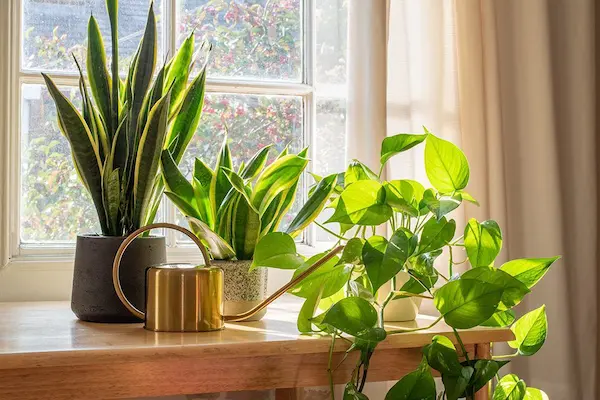
Bringing home your first three to five houseplants can feel exciting and slightly intimidating at the same time, because although the shelves and photos make plant care look effortless, the reality of drooping leaves, mysterious yellow spots or soil that never seems quite right can quickly leave a new plant parent wondering whether they are cut out for this at all.
Instead of trying to learn everything about every plant at once, a beginner indoor plant care guide gives you a simple way to understand the basics that almost all common houseplants share, so that light levels, watering schedule, soil mix and container choices start to feel like a set of friendly dials you can adjust rather than a confusing list of rules you are destined to break.
When you understand a few core ideas about how plants drink water, how they read the light in your home and how roots behave inside a pot, it becomes much easier to keep common indoor plants alive and gradually help them thrive, even if you are working with a small apartment, changing seasons and limited experience.
This beginner focused guide is designed to be visual and practical, walking through light levels with real world window descriptions, explaining how to use a flexible watering calendar without drowning your plants, outlining simple soil mixes that drain well, and giving you a clear list of signs to watch so that you can respond early when something looks off.
By the end of the article, you will have a printable style care table for popular starter plants, an example four week watering calendar, and an easy to repeat weekly check routine that fits into normal life rather than demanding you become a full time plant caretaker.
Big picture: what almost all indoor plants need to stay alive
Before diving into specifics for each plant, it helps to zoom out and remember that most common houseplants, whether pothos, snake plant, spider plant, ZZ plant, philodendron or peace lily, are all living systems relying on the same basic ingredients, even if the details differ a little for each type.
Core needs of most houseplants
- Light: enough brightness to fuel growth, usually bright indirect light or gentle direct morning beams, without long hours of harsh midday sun burning leaves.
- Water: a rhythm of watering that keeps soil slightly moist or allows it to dry a bit between waterings, depending on the plant, avoiding extremes of always soaked or bone dry for long periods.
- Soil mix: a potting mix that drains well while still holding some moisture, often with ingredients like peat or coco coir, bark, perlite or pumice to create air pockets for roots.
- Container and drainage: a pot with at least one hole at the bottom so extra water can escape, paired with a saucer or cachepot to protect furniture.
- Temperature and humidity: relatively stable room temperatures, away from cold drafts and very hot air, plus at least average indoor humidity for most starter plants.
- Occasional feeding and repotting: light fertiliser during active growing seasons and repotting only when roots clearly need more space or soil has broken down.
Once these basics are in place, the fine tuning becomes easier, because you can adjust one variable at a time when a plant is unhappy instead of guessing blindly.
Understanding light levels in real rooms, not just in theory
Light is the part of plant care that often feels the most abstract, yet it impacts everything else, from how much water a plant uses to how fast it grows, so it is worth spending a little time learning how to read the light in your home in plain, visual terms.
Common indoor light levels translated into home language
- Bright direct light: spots close to a south or west facing window where the sun’s rays actually touch the leaves for several hours, making sharp shadows and sometimes heating pots and soil faster.
- Bright indirect light: areas near windows where the room is clearly well lit but the sun does not fall directly on the leaves for long, often next to an east window, a few feet back from a south window or anywhere light is filtered by sheer curtains.
- Medium light: spaces where you can comfortably read during the day without turning on lamps, yet the room looks more gently lit than a bright, sunwashed corner.
- Low light: corners or spots several feet away from windows, where the room feels dim, and you might want a lamp for reading even in the daytime.
Instead of getting caught up in the perfect category for every plant, it helps to remember that many beginner friendly houseplants will adapt to bright indirect or medium light, while only a few truly enjoy low light and some will need more generous brightness to look their best.
Quick placement tips for popular starter plants
- Pothos and philodendron vines: usually happy in bright indirect to medium light, trailing from shelves a bit back from a window or hanging near an east or north facing window.
- Snake plant and ZZ plant: can tolerate low light and work in shadier corners, although they grow faster and look sturdier in medium to bright indirect light.
- Spider plant: appreciates bright indirect light and will reward good conditions with arching leaves and small plantlets on long stems.
- Peace lily: prefers medium to bright indirect light and often shows drooping leaves when thirsty, especially in brighter spots.
As seasons change, light angles shift and days lengthen or shorten, so paying attention to how sun paths move in spring and autumn helps you adjust plant positions slightly to avoid leaf burn in summer or gloom in winter.
Watering basics: why “when needed” is better than rigid schedules
A common beginner instinct is to choose a fixed watering schedule, for example “water all plants every Sunday,” yet horticulture guidance repeatedly emphasises that different plants, pot sizes, mixes and light levels dry at different speeds, which means watering on autopilot can easily cause rot in some pots and drought in others.
Learning how to build a flexible watering schedule means using your calendar as a reminder to check plants rather than as a strict command to add water regardless of how the soil feels.
Simple method for checking when a plant needs water
- Press a clean finger into the potting mix about two to three centimetres deep (roughly one knuckle), noticing whether the soil feels cool and damp or dry and crumbly.
- If the top layer feels dry at that depth for most common tropical foliage plants, prepare to water; if it still feels moist, wait and check again in a few days.
- Lift smaller pots to sense their weight; a pot that feels surprisingly light compared to normal is often dry, whereas a heavy pot usually still holds water.
- When watering, add water slowly until excess begins to trickle from the drainage hole, then allow the pot to drain fully and empty any standing water from the saucer.
- Let the soil dry again to the appropriate depth before the next watering, adjusting based on how quickly the mix dries in that particular spot of your home.
Succulents, cacti and extra drought tolerant plants like snake plant and ZZ plant prefer to dry more deeply between waterings, while thirstier species such as peace lily and some ferns may need watering when only the very top has dried, so reading about each plant’s preference helps you customise this basic method.
Soil mix and container basics for a healthy root system
Roots never show themselves unless a plant is in trouble or you are repotting, yet root health determines everything that happens above the soil line, making soil mix and pot choice essential parts of a beginner indoor plant care guide.
What makes a good indoor soil mix
- Drainage: water should pass through the mix easily rather than pooling around roots; ingredients like perlite, pumice, coarse sand or small bark pieces create air pockets that help with this.
- Moisture retention: components such as peat moss, coco coir or compost hold water long enough for roots to absorb it without staying soggy for days on end.
- Texture: when you squeeze a handful of lightly damp soil it should clump loosely and fall apart again with gentle pressure, not compact into a dense brick.
- Match to plant type: chunky, gritty mixes suit succulents and cacti, while finer, moisture holding mixes suit tropical foliage plants that enjoy slightly more even moisture.
Container tips for beginners
- Choose pots with drainage holes at the bottom so excess water can escape, and use a saucer, decorative cachepot or tray underneath to protect surfaces.
- Avoid pots that are much larger than the current root ball, because too much extra soil can hold water and increase the risk of rot.
- Repot only when roots circle the pot heavily, grow out of drainage holes or the soil dries out extremely fast, usually every one to two years for many common plants.
- When repotting, move up only one size (for example from a 10 cm pot to a 12 or 14 cm pot) rather than putting a small plant into a huge container.
- Gently tease apart circling roots and remove some loose old soil before placing the plant in fresh mix, keeping the existing soil level similar in the new pot.
With a well draining soil mix and correctly sized pot, watering becomes more forgiving, because extra moisture has somewhere to go instead of stagnating around roots.
Care table for six easy, common starter houseplants
To bring the concepts together visually, the following care table summarises light levels, watering approach, soil mix preferences and extra notes for six popular beginner friendly houseplants that many new plant parents keep on their windowsills and shelves.
| Plant | Light Level | Watering Approach | Soil Mix | Extra Notes |
|---|---|---|---|---|
| Pothos (Devil’s Ivy) | Bright indirect to medium light | Water when top 2–3 cm of soil are dry; slightly forgiving if you forget occasionally | General indoor potting mix with added perlite for drainage | Great trailing plant; leaves pale or stretch toward light when too dark |
| Snake plant (Sansevieria) | Low to bright indirect light; avoid intense midday sun behind glass | Allow soil to dry deeply before watering; overwatering is the main risk | Well draining mix with extra sand or gritty material | Very tolerant of neglect; yellow, mushy leaves often signal too much water |
| ZZ plant | Low to medium, prefers bright indirect light for faster growth | Water sparingly when mix is dry at least halfway down | Chunky, fast draining mix similar to succulent soil | Leaves yellowing from base can indicate excess water; thick rhizomes store moisture |
| Spider plant | Bright indirect light with some tolerance for medium light | Keep soil lightly moist, letting top layer dry slightly between waterings | Standard mix with modest perlite, not too heavy | Produces baby plantlets on long stems when happy; brown tips may reflect dry air or irregular watering |
| Philodendron (heart leaf type) | Medium to bright indirect light | Water when the top few centimetres feel dry, avoiding long periods of soggy soil | Loose, airy mix with bark and perlite for climbing types | Leggy growth and small leaves often mean it needs more light or a support to climb |
| Peace lily | Medium to bright indirect light; may tolerate lower light with fewer blooms | Prefers evenly moist soil; tends to droop noticeably when thirsty and recover after watering | Moisture holding potting mix that still drains well | Drooping plus yellow leaves can mean overwatering; drooping with dry soil usually means thirst |
This table is meant as a quick reference, and individual homes will always require a bit of adjustment based on light, temperature and humidity inside your particular small space.
Watering calendar that reminds you without locking you into mistakes
A watering schedule can be extremely useful as long as it reminds you to check plants rather than telling you to add water no matter what, so the following example shows how to build a four week watering calendar that is flexible and season aware.
How to read and use this sample watering calendar
- Think of each “Water?” entry as “Check moisture and water if needed” instead of an automatic instruction.
- Group plants loosely by thirst level, such as drought tolerant, average and thirsty, while still checking each pot individually.
- Adjust frequency in winter and in low light seasons by adding more “Check only” weeks or extending gaps between possible watering days.
- Write notes next to weeks where plants dried faster or slower than expected, using that feedback to tweak the next month’s plan.
Sample four week watering and checking calendar
| Week | Drought Tolerant Plants (snake, ZZ) |
Average Thirst Plants (pothos, philodendron, spider) |
Thirstier Plants (peace lily, some ferns) |
Seasonal Adjustment Note |
|---|---|---|---|---|
| Week 1 | Check midweek; water only if soil is dry at least halfway down | Check twice (early and late week); water when top 2–3 cm are dry | Check three times; likely water at least once when surface begins to dry | In summer, expect faster drying; in winter, many “check only” days |
| Week 2 | Check once; most may not need water yet in cooler seasons | Check twice; adjust watering amount based on week 1 response | Check three times and reduce water slightly if previous week stayed wet too long | Move plants if one dries much faster than others in same group |
| Week 3 | Check midweek; water if pots feel very light | Check twice; many will need water again in brighter rooms | Check three times; watch for drooping or dull leaves as early thirst sign | Note changes in sun angle or heating use compared to week 1 |
| Week 4 | Check once and note patterns for future timing | Check twice; if soil stays wet too long, consider more drainage or less water | Check three times; ensure pot drains completely after each watering | Adjust next month’s calendar based on all four weeks’ notes |
Printing a version of this calendar and writing plant names or specific days in each cell lets you build a personalised watering schedule that remains responsive rather than rigid.
Weekly plant check routine: a repeatable, beginner friendly sequence
Short, repeatable routines make plant care feel more like a natural part of your week and less like a random chore you sometimes remember and sometimes forget, so a ten to twenty minute weekly check can be a powerful habit for keeping common houseplants alive.
Stepwise weekly check
- Walk around your space and simply look at each plant from a little distance, noticing overall colour, posture and how full or sparse the plant appears.
- Move closer and check leaves for spots, yellowing, crispy edges, sticky residue or webbing, taking note of anything that looks new compared to last week.
- Use the finger test on each pot, feeling soil moisture at the top and a little deeper, then decide whether to water gently, water thoroughly or skip.
- Rotate pots by a quarter turn so that all sides receive similar light over time, preventing lopsided growth.
- Remove dead leaves or spent flowers with clean scissors or by pinching them off, which improves both appearance and plant health.
- Wipe dusty leaves on larger plants with a soft, slightly damp cloth, supporting the leaf from beneath, so that light can reach the leaf surface more easily.
- Write down any patterns or concerns in a small plant notebook or on a note stuck near the plants, such as consistently dry soil or slow growth in a darker corner.
Repeating this routine builds your ability to spot subtle changes early, which makes it much easier to tune light, water or soil before issues become severe.
Signs to watch: early clues your plant is asking for help
Plants do not speak, yet leaves, stems and soil constantly give you information, and learning to interpret these signs is at the heart of any useful beginner indoor plant care guide, because once you can read the signals, you can make small practical adjustments instead of guessing or panicking.
Possible overwatering signs
- Leaves turning yellow starting from the lower part of the plant while soil feels consistently wet or heavy.
- Soft, mushy stems or leaves, sometimes with a faint smell of rot near the soil surface.
- Brown or black root tips visible if you gently slide the plant from the pot for inspection.
- Fungus gnats (tiny black flying insects) hovering near the soil, attracted by consistently damp conditions.
Possible underwatering signs
- Leaves that droop and feel limp, often recovering after watering if the plant is not too stressed yet.
- Crispy brown edges or tips on leaves, especially on plants that prefer slightly more moisture.
- Soil pulling away from the pot edges, creating gaps where water runs straight down instead of soaking in.
- Pots feeling extremely light compared to usual when lifted.
Too much light signs
- Bleached or faded patches on leaves facing the window, sometimes turning tan or white.
- Crisp, dry spots in the middle of leaves where direct sun has scorched them through glass.
- Soil drying very quickly and needing water much more often than expected for that plant type.
Too little light signs
- Long, stretched stems between leaves (leggy growth) as the plant reaches toward the nearest light source.
- Leaves smaller than usual, with duller colour or less variegation on plants that normally show patterns.
- Very slow growth during seasons when the plant should be active, even with correct watering.
Potential pest and disease signs
- Sticky residue on leaves or surfaces beneath the plant, possibly from sap suckers like aphids or scale insects.
- Fine webbing in leaf joints or between stems, a common indicator of spider mites.
- Small brown bumps stuck to stems or leaf undersides that do not wash off easily, suggesting scale insects.
- Irregular, mushy spots or blackened areas that spread, which can sometimes indicate fungal or bacterial issues.
When you recognise any of these signs, taking a photo and noting when the change began helps you track whether adjustments to water, light or treatment measures improve the situation over the next few weeks.
Season-aware plant care: adjusting routines through the year
Indoor plants may live inside, yet the seasons still touch them through changes in daylight length, light intensity, room temperature and heating or cooling patterns, so a season aware approach helps your beginner indoor plant care guide stay useful all year.
Spring and summer focus
- Days grow longer and brighter, so many plants enter active growth, using more water and often appreciating slightly more frequent watering.
- Fertiliser can be used lightly according to product instructions, usually every few weeks during active growth for plants that are healthy and well rooted.
- Repotting is generally safer in these seasons, since plants recover more quickly and roots resume growth after being disturbed.
- Light can become harsher through windows, making it important to watch for sunburn on leaves and adjust plant distance from glass if needed.
Autumn and winter focus
- Daylight hours shrink and sun angles lower, often reducing light intensity in rooms and slowing plant growth.
- Watering usually needs to be less frequent, because soil dries more slowly when plants are resting and when air is cooler.
- Fertiliser is often paused or reduced heavily, since most plants do not require extra nutrients while growth is slow.
- Heaters and radiators can dry indoor air and create hot drafts, so monitoring leaves for crispy tips and moving plants away from heat sources can help.
Adapting your watering calendar and placement every season does not need to be complicated; small adjustments based on observed changes in light and drying speed are usually enough.
Printable summary checklist for beginner indoor plant care
Having a compact checklist to stick on the fridge or inside a cupboard door means you do not have to remember every detail in the moment, and it also makes plant care feel more approachable when you are still gathering experience.
Beginner indoor plant care checklist
- Light levels
- Observe each window and corner to label it roughly as bright direct, bright indirect, medium or low light.
- Match each plant to a suitable light zone, adjusting if growth seems weak or leaves burn.
- Rotate pots regularly to keep growth even.
- Watering schedule
- Use a calendar to remind yourself to check plants, not to water automatically.
- Test soil with your finger before watering, looking for the right level of dryness for that plant.
- Water thoroughly when needed, then let extra moisture drain away completely.
- Soil mix and pots
- Choose pots with drainage holes plus saucers or cachepots for aesthetics.
- Use well draining potting mixes matched to your plant types.
- Repot only when roots clearly need more room or soil quality has declined.
- Weekly check routine
- Look for changes in colour, posture and growth.
- Check leaves and stems for pests or spots.
- Remove dead material and wipe dusty leaves.
- Signs to watch
- Yellow, soft leaves plus wet soil may point to overwatering.
- Crispy edges and very dry soil may indicate underwatering or dry air.
- Stretched, pale growth may suggest the plant needs more light.
- Seasonal adjustments
- In spring and summer, expect faster growth, more water use and occasional feeding.
- In autumn and winter, expect slower growth, less frequent watering and more attention to light and heating sources.
Using this checklist as a gentle guide keeps you focused on a few key actions rather than overwhelmed by the endless plant advice that exists in the world.
Reputable guidance summary and important scope notes
Most of the practical recommendations in this beginner indoor plant care guide echo general themes from horticulture extension and houseplant care publications, which consistently emphasise the importance of reading soil moisture instead of watering on a fixed schedule, providing adequate light for each species, using containers with good drainage and watching for signs of stress in leaves and stems.
Universities and extension services that specialise in gardening education often describe water management as the most common challenge for new plant owners, noting that soil kept constantly saturated or constantly bone dry can damage roots, and that allowing the upper layer of potting mix to dry slightly before watering again usually keeps many common foliage plants happiest.
Guidance from these sources also highlights that indoor plant care must adjust across the seasons, because changing light levels and room conditions influence how quickly soil dries, how actively plants grow and how much fertiliser, if any, they can actually use without harm.
This article is intended as general, beginner friendly information and does not replace local advice about plant species that may be toxic to pets or people, nor does it cover specialised care for rare, sensitive or high demand houseplants that require more precise conditions than the common starter plants described here.
Whenever a plant seems persistently unhealthy despite adjustments to light, water and soil, or when you suspect pests or disease you cannot identify, consulting local horticulture resources, plant clinics, garden centres or experienced growers can provide guidance that is tailored to your region, climate and the specific plants living in your home.