

A clear, safety-minded guide to how to start a compost bin removes a lot of that hesitation, because once you understand a few compost basics and have a simple checklist, turning kitchen scraps into useful compost becomes a routine you can manage alongside normal life rather than a complicated science project.
This article walks through everything a beginner with a small outdoor space needs: a materials list laid out in plain language, a do-and-don’t chart for kitchen scraps and yard waste, a step-by-step setup sequence, troubleshooting tips for common problems and reminders about when to follow municipal guidelines or seek local information.
Throughout the guide, the tone stays practical and supportive, with no expectation that you already know words like “carbon to nitrogen ratio” or that you can build elaborate systems; instead, the focus is on safe, simple composting that fits a balcony, patio, tiny yard or even a shared outdoor area.
Compost basics: what actually happens in a bin
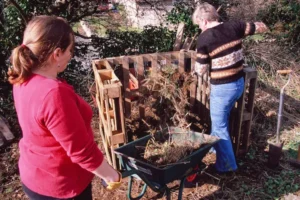
Before setting up any container, it helps to know what compost is and what is happening inside the pile, because those basics will explain most of the do/don’t rules you see on municipal compost guidelines.
Compost itself is simply decomposed organic material, broken down by bacteria, fungi and other tiny organisms into a dark, crumbly substance that smells like healthy forest soil rather than garbage.
Those organisms need four main things to work well: food in the form of organic matter, air to breathe, moisture so they do not dry out and the right mix of “greens” and “browns” to balance nitrogen and carbon.
Kitchen scraps like fruit peels, vegetable trimmings and coffee grounds fall into the “greens” category, while dry leaves, shredded paper and cardboard count as “browns,” and both groups are essential for a healthy beginner compost bin.
When air is present and moisture is moderate, decomposers break down the material aerobically, which means with oxygen; this process is what you want, because it tends to smell earthy rather than rotten and is the method recommended in most home composting guides from local governments and environmental agencies.
Safety notes and local guideline check before you start
Home composting is generally considered a low-risk activity when certain materials are avoided, yet it is still wise to keep basic safety in mind, especially if you share space with children or pets or live in an area with strict pest control rules.
Most municipal backyard composting guidelines emphasise that meat, fish, dairy, oily foods and pet waste should not go into a simple home bin, because those items can attract rodents, create strong odours and carry pathogens that small-scale compost piles do not reliably destroy.
Many city and regional resources also encourage residents to keep backyard compost strictly vegetable-based, using plant material from kitchens and gardens and leaving animal-derived food scraps for green-bin programs or residual waste systems where available.
Because regulations and wildlife pressures vary, especially in dense neighbourhoods or areas with bears or raccoons, a quick check of your municipality’s compost guidelines before you build your bin is a smart first step, and any clear “do not compost” list from authorities in your area should always take priority over generic tips.
Children and pets should be kept from playing in unfinished compost, and basic hygiene such as washing hands after handling kitchen scraps or fresh compost is a simple but important safety habit for beginners and experienced composters alike.
Materials list: what you need to start a compost bin at home
Gathering everything in advance turns “I should compost” into “I am ready to start today,” and a small-space setup does not require complex gear, only some thoughtful choices about containers and materials.
1. Choose a compost container that fits your space
- Balcony or small patio: a sealed compost tumbler or a lidded plastic bin with air holes works well, because it contains smells, keeps pests out and fits against a wall without taking much floor area.
- Small yard or garden corner: a simple stationary bin made of recycled plastic, wood slats or wire mesh is usually enough; many municipalities sell discounted backyard compost bins designed specifically for residents.
- Shared outdoor space: a closed bin with a secure lid or latch is important, since you will want to minimise pest issues and respect neighbours who pass close by.
- Budget-friendly option: a large, food-grade plastic storage bin with a tight lid and holes drilled in the sides and base for airflow can serve as a starter compost bin for beginners learning the basics.
2. Tools that make compost basics easier
- A small kitchen caddy or container with a lid for collecting daily kitchen scraps like vegetable peels and coffee grounds.
- A trowel, garden fork or sturdy stick for mixing and turning the compost, which keeps oxygen flowing and helps scraps break down more evenly.
- Gardening gloves to protect your hands when handling decomposing material and to keep things feeling more comfortable if you are squeamish at first.
- A watering can or jug to lightly moisten dry sections if the pile starts to look dusty or crumbly instead of like a damp sponge.
3. Browns and greens: starter materials for your bin
- Brown (carbon-rich) materials: dry leaves, small twigs, shredded plain cardboard, uncoated paper, coffee filters, paper egg cartons, straw and dried plant stems.
- Green (nitrogen-rich) materials: fruit and vegetable scraps, coffee grounds, tea bags without plastic mesh, fresh grass clippings, green plant trimmings and crushed eggshells.
- Optional “kick-start” materials: a small shovel of garden soil, finished compost from a friend or a handful of aged manure (if you have access to a safe source) to introduce extra decomposer organisms early on.
Compost basics for beginners: balancing browns, greens, air and moisture
Learning how to start a compost bin is much easier when you think of it as building a simple recipe, where ingredients and conditions work together rather than fighting each other.
Key elements of a healthy compost mix
- Greens provide nitrogen: kitchen scraps and fresh plant material feed the microorganisms that break everything down, but too many greens make a pile slimy and smelly if they are not balanced with browns.
- Browns provide carbon and structure: dry, fibrous materials keep the bin airy, soak up excess moisture and help the pile smell more like soil and less like garbage.
- Air keeps decomposition aerobic: regular turning or poking holes through the pile ensures oxygen reaches the centre, supporting the type of decay most municipal guides recommend for home compost.
- Moisture supports microbial life: materials should feel like a wrung-out sponge, neither dripping wet nor bone dry, because extremes in either direction slow decomposition and encourage problems.
Beginner-friendly compost ratios
- Aim for roughly two to three parts brown material to one part green by volume when you add new ingredients, though precise measuring is not necessary for a small home bin.
- Whenever you add a layer of kitchen scraps, cover it with at least an equal depth of dry leaves or shredded paper to discourage smells and fruit flies.
- If the bin begins to look wet and compacted, sprinkle in extra browns and mix gently to restore airflow and balance.
- When the contents seem very dry and static, add a small amount of water and a thin layer of fresh greens to re-start microbial activity.
Do/Don’t chart: what beginners should and shouldn’t compost
A clear list of what belongs in a beginner compost bin prevents most problems before they start, and many municipal composting brochures include tables very similar to the one below.
Materials you can usually compost safely at home
- Fruit and vegetable scraps, including peels, cores, rinds and trimmings (avoid large amounts of citrus if you have a very small bin).
- Coffee grounds and paper filters, as well as loose tea leaves and paper tea bags without plastic mesh.
- Crushed eggshells, which break down slowly but add minerals and help improve soil texture over time.
- Yard waste such as dry leaves, small twigs, grass clippings from untreated lawns and pulled weeds without mature seeds.
- Plain cardboard and paper, shredded into small pieces, as long as they are not glossy, plastic-coated or heavily inked.
- Houseplant trimmings and old potting soil that is free of disease or heavy chemical treatments.
Materials beginners should avoid in a backyard or balcony bin
- Meat, fish, bones and large amounts of fat, which attract animals and often cause strong odours in small home systems.
- Dairy products, oily sauces and greasy leftovers, for similar reasons and because they can create compacted, low-oxygen pockets.
- Pet waste from dogs, cats or other meat-eating animals, as municipal guidelines typically list these as unsafe due to pathogens that small home piles do not reliably neutralise.
- Human waste, kitty litter and diapers, which should never go into a basic home compost pile.
- Treated wood, coal ash, glossy magazines, plastic-lined paper cups and any materials likely to contain heavy metals or persistent chemicals.
- Weeds with mature seeds or invasive roots, because they may survive the composting process and spread when you use the finished compost in your soil.
Items to handle with extra care or local advice
- Citrus peels and onions can be composted in moderation but may cause odour issues in very small bins if added in large quantities.
- Bread, pasta and grains are technically compostable but often discouraged in pest-prone areas, so checking local guidance or starting with small amounts is sensible.
- Yard waste treated with herbicides or pesticides should be avoided if possible, as residues may affect soil life and sensitive plants.
- Compostable packaging labelled as such does not always break down well in home systems, especially if designed for industrial composting, so small tests or municipal advice are helpful before adding a lot.
Step-by-step: how to start a compost bin in a balcony or small yard
With basics and materials ready, setting up the first bin becomes a matter of following a series of clear, manageable steps that you can complete in less than an hour, not counting future maintenance.
Step 1: pick the location and position the bin
- Choose a spot on your balcony, patio or in your yard that is easy to reach from the kitchen yet does not block movement or annoy neighbours with any minor smells that might occur.
- Place the bin on soil if possible, because that allows worms and beneficial organisms to move in from below; if you must keep it on concrete or decking, consider placing a layer of finished compost or garden soil at the bottom to introduce microbes.
- Ensure the bin is stable and cannot tip over in wind; secure tumblers according to manufacturer instructions and keep lids latched to discourage animals.
Step 2: create a breathable base layer
- Add a generous layer of coarse browns such as small twigs, straw or chunky dry leaves to cover the bottom of the bin by at least 5–10 centimetres.
- Use this base to improve drainage and airflow so early materials do not sit in a soggy clump at the bottom, which is a common beginner mistake.
- Sprinkle a thin layer of garden soil or finished compost over the base if you have some, to introduce decomposer organisms right from the start.
Step 3: start layering kitchen scraps and browns
- Tip your kitchen caddy into the bin, adding a small amount of chopped fruit and vegetable scraps, coffee grounds and similar green materials.
- Cover these greens immediately with at least an equal volume of dry browns, such as shredded cardboard, paper or leaves, spreading them evenly to hide food scraps from view.
- Repeat this process—greens then browns—for two or three cycles during the first setup session, building a layered stack that is at least 30–60 centimetres deep if you have enough material.
Step 4: adjust moisture and mix lightly
- Squeeze a handful of mixed material; if liquid drips from your fingers, the pile is too wet and needs more browns, while if it falls apart like dry twigs, a small amount of water should be added.
- Use a trowel or fork to gently turn and mix the top layers, ensuring that greens and browns are not sitting in separate clumps but are loosely combined.
- Close the lid securely or, for open bins, cover the top with a mat of leaves or cardboard to reduce odours and discourage pests.
Step 5: build a simple routine for feeding the bin
- Empty your kitchen caddy into the compost once a day or every couple of days, depending on how much food waste you generate.
- Keep a small bin or bag of browns near the compost so that every time you add scraps, you can quickly cover them with dry material without hunting for leaves or paper.
- Turn or stir the bin lightly once a week to maintain airflow, adding water if it looks too dry or extra browns if it seems slimy or smells unpleasant.
Daily and weekly compost habits for tidy small-space systems
Consistent, small actions keep a compost bin from becoming a neglected corner and make the whole process feel like part of your regular home care rather than a special project.
Daily compost habits for beginners
- Collect kitchen scraps in a lidded container and empty it before strong smells build up, especially in warm weather or compact kitchens.
- Chop larger pieces such as melon rinds or cabbage cores into smaller chunks when convenient, because smaller pieces break down faster in a small bin.
- Cover every fresh food layer with browns immediately, which is one of the simplest and most effective ways to avoid fruit flies and odour.
- Check that lids and doors on your outdoor bin are properly closed after each visit, particularly if you live where animals might investigate.
Weekly compost habits to keep things running smoothly
- Turn or mix the top 20–30 centimetres of your compost bin at least once a week to bring air in and move newer materials downward.
- Look at moisture levels and adjust with water or extra browns so that the texture stays like a wrung-out sponge rather than a mud cake or dry straw pile.
- Inspect for pests such as rodents or large numbers of flies; if present, review your do/don’t list and remove any inappropriate materials that might be attracting them.
- Take a moment to notice how the compost is changing—warmer spots, darker colour, earthy smell—so you can see the progress your routine is creating.
Troubleshooting: common compost problems and how to fix them
Even with good intentions, every beginner eventually sees something unexpected in the bin, and a clear troubleshooting guide turns those surprises into quick adjustments instead of reasons to give up.
Problem 1: strong, rotten or ammonia-like smells
- Likely causes: too many greens, inadequate browns, poor airflow or inclusion of items like meat, dairy or oily foods.
- Immediate fixes: add a generous layer of dry browns, mix the pile to introduce air and bury smelly pockets deeper under fresh browns.
- Prevention tips: keep a strict plant-based rule for beginners, avoid dumping large quantities of one wet material and always cover food scraps as soon as they go in.
Problem 2: compost looks dry and nothing seems to be happening
- Likely causes: too many browns, very low moisture, hot weather drying out the bin or infrequent addition of greens.
- Immediate fixes: sprinkle water evenly over the pile until it feels damp but not soggy, and add a new layer of fresh kitchen scraps or green yard waste.
- Prevention tips: check moisture weekly, and in hot or windy conditions cover the bin more thoroughly to reduce evaporation.
Problem 3: presence of rodents or larger animals
- Likely causes: inclusion of prohibited items (meat, bones, cooked leftovers), uncovered food scraps or a bin design that is easy to access.
- Immediate fixes: remove any problematic materials if possible, add thick layers of browns on top, secure the bin more firmly and consider switching to a fully enclosed tumbler in areas with high wildlife pressure.
- Prevention tips: follow municipal advice strictly on what not to compost, use bins with tight-fitting lids and keep the ground around the bin free of spilled food.
Problem 4: lots of fruit flies or small flying insects
- Likely causes: exposed fruit scraps, very wet surface layers or long gaps between adding browns.
- Immediate fixes: add a thick, dry cover of leaves or shredded paper, bury fresh scraps deeper and avoid leaving the bin open for long periods.
- Prevention tips: get into the habit of always adding browns right after greens, and keep the lid closed except when actively adding or turning material.
Problem 5: pile is wet, compacted and not breaking down
- Likely causes: excess water from rain or kitchen scraps, not enough structure-giving browns or minimal turning.
- Immediate fixes: gently turn the pile to break up compacted layers, add plenty of dry browns to soak up moisture and, if rain is an issue, improve the bin’s cover.
- Prevention tips: avoid adding large quantities of liquid-heavy scraps at once, and check that drainage holes or gaps at the bottom of the bin are not blocked.
How to know when your compost is ready and how to use it safely
Finished compost looks, feels and smells different from the food scraps and yard waste you started with, and recognising this change helps you apply it confidently and safely in your balcony containers or small garden beds.
Signs that compost is mature enough to use
- Colour has turned mostly dark brown or almost black, with a crumbly texture rather than distinct bits of banana peels or lettuce.
- Smell is earthy and mild, similar to forest soil or potting mix, without sharp garbage or ammonia odours.
- Temperature has dropped to near the surrounding air temperature, meaning the most active decomposition phase has passed.
- Original materials are difficult to identify except for a few tougher items like eggshells or large twigs, which can be sifted out and returned to the next batch.
Safe ways for beginners to use compost in small spaces
- Mix finished compost into potting soil for balcony planters, using roughly one part compost to three parts soil to improve structure and water retention.
- Spread a thin layer of compost on top of garden beds as a mulch around plants, keeping it away from direct contact with plant stems to avoid rot.
- Use compost around shrubs, trees and ornamental plants as a slow-release soil conditioner, gently working it into the top layer of soil.
- Allow very fresh compost that still smells strong or feels hot to rest for a few more weeks before using near vegetable seedlings, particularly if you are cautious about sensitive roots.
Four-week beginner plan to build composting into your routine
Starting a new habit is easier when it is framed as a short experiment, so this four-week plan shows how to start a compost bin gradually while still living your normal life in a small home.
Week 1: setup and first layers
- Gather your container, tools and starter browns and greens, and choose your bin location with safety and neighbour friendliness in mind.
- Complete the base layer and first few greens-and-browns cycles, adjusting moisture until the pile feels damp but not soggy.
- Begin collecting kitchen scraps daily, paying attention to your do/don’t list as you decide what to put in the caddy.
- Mark a simple tracking note, such as a calendar tick or phone reminder, every time you feed the bin, so you can see progress.
Week 2: build the habit and watch the balance
- Continue adding scraps and covering with browns, noticing whether the bin is trending toward too wet, too dry or just right.
- Turn the compost lightly once or twice during the week, and observe any small changes in temperature or smell.
- Adjust your shopping and cooking patterns slightly, such as choosing less heavily packaged produce or planning meals that use up older vegetables, to reduce waste and feed your bin more consistently.
- Check for any early warning signs like flies or strong odours and use the troubleshooting section to correct course promptly.
Week 3: refine what goes in and improve storage
- Review your kitchen scrap patterns, and if certain items are causing issues—like large amounts of citrus or bread—reduce those inputs and focus on plant trimmings and other straightforward materials.
- Organise your browns storage so they are always within reach, perhaps by keeping a lidded bucket of shredded paper or dry leaves near the bin.
- Evaluate your container and location; if pests or neighbours are a concern, consider extra coverings or small adjustments to where the bin sits.
- Notice how comfortable the process feels now compared with before you started, and adjust routines so they feel sustainable long term.
Week 4: plan for long-term use and donation of surplus
- Estimate how much compost your small home will realistically use in pots, beds or shared garden plots, and think about what you will do with any extra (such as offering it to neighbours or a community garden).
- Schedule a regular “compost check” time once a week, pairing it with another habit like watering plants or taking out recycling.
- Print or copy your personal do/don’t list and troubleshooting notes, and keep them near the bin so future questions are easy to answer quickly.
- Decide whether you want to stay with a single bin, start a second one for rotating batches or explore additional methods like worm composting later on.