
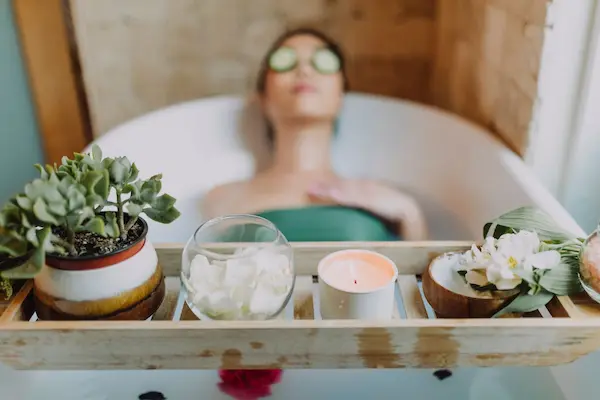
Instead of imagining complicated treatments and long lists of pricey products, you can picture a calm hour at home with warm water, soft towels, comforting scents and a few easy rituals that help your body unwind and your mind slow down without putting pressure on your wallet.
This article was created for someone who wants at-home relaxation that feels special but still simple, who is happy to use supermarket ingredients and basic bathroom items, and who appreciates clear safety tips for skin sensitivities instead of vague “just pamper yourself” advice.
Across the next sections, you will find budget friendly ingredient ideas, three timing options for your self care day (from twenty minutes to ninety minutes), several themed mini rituals, gentle bath ideas that respect your skin barrier and a handful of playlist suggestions to set the mood without needing any fancy equipment.
You will also see safety notes sprinkled throughout, especially around hot water, essential oils, Epsom salts, scrubs and fragrances, because even a very simple at-home relaxation session deserves a thoughtful, skin friendly approach.
By the time you reach the end, you will be able to sketch out a cozy, low cost home spa plan that feels realistic for your space, your budget and your energy level, rather than a complicated routine that only adds pressure.
Safety first: gentle guidelines for a simple home spa day
Before gathering ingredients or pressing play on a relaxing playlist, it helps to think briefly about safety, especially if you have sensitive skin, allergies, eczema, rosacea or any other skin concerns.
Home spa rituals can be very soothing when they stay gentle and simple, yet certain habits like very hot baths, undiluted essential oils or harsh scrubs may cause irritation, so a few precautions can keep your at-home relaxation both enjoyable and kind to your body.
General skin and bath safety
- Choose warm, not scalding, water for baths or showers, because very hot water can dry out the skin, cause redness and even lead to lightheadedness if you stay in too long.
- Keep soak times moderate, usually around ten to twenty minutes, since longer sessions in hot water may increase dryness or irritation, particularly for sensitive or mature skin.
- Avoid soaking if you have open cuts, fresh sunburn, active infections or raw, cracked skin, and check with a healthcare professional if you live with chronic skin conditions before experimenting with additives.
- Use mild, fragrance free cleansers if your skin reacts easily, because strong perfumes or antibacterial washes can strip natural oils and make delicate skin feel tight or itchy.
Essential oils, fragrances and skin sensitivities
Many simple home spa day ideas mention essential oils, but these concentrated plant extracts deserve careful handling, particularly for people who have allergies, asthma or easily irritated skin.
- Never apply essential oils undiluted directly to your skin; always mix a small number of drops into a larger amount of carrier oil, unscented bath oil or another appropriate base.
- Use lower concentrations for body care, especially if your skin is sensitive, and consider avoiding essential oils on the face altogether unless you have professional guidance.
- Perform a simple patch test on a small area of skin, such as the inner forearm, before using new oils or scented products more widely, and avoid them entirely if you notice redness, burning or itching.
- Skip strong fragrances if you are pregnant, have respiratory issues, migraines or a history of allergic reactions, and remember that unscented rituals with warm water and gentle textures can be just as relaxing as scented ones.
Scrubs, masks and exfoliation
Exfoliation can feel luxurious when used sparingly, yet overdoing it or choosing very rough textures may damage the skin barrier, leaving your face or body red and uncomfortable.
- Avoid harsh homemade scrubs that use large sugar crystals, salt chunks or sharp particles on the face, because these can create tiny tears in the skin.
- Limit exfoliation sessions to once or twice a week at most and skip them entirely if your skin already feels sore, peeling or overly sensitive.
- Use extra caution if you are already using chemical exfoliants, prescription acne treatments or other active skincare ingredients, since combining too many exfoliating products may lead to irritation.
- Choose soft washcloths, gentle store bought scrubs or finely milled oat based mixtures for sensitive body areas rather than aggressive rubbing or stiff brushes.
Who should talk to a professional first
Many people can try these simple home spa day ideas with basic caution, while others benefit from checking with a doctor, dermatologist or midwife before making changes to their routine.
- Anyone with chronic skin conditions like eczema, psoriasis, severe acne or rosacea who is currently under treatment.
- People with known allergies to fragrances, botanicals, common cosmetic ingredients or metals found in some tools.
- Pregnant individuals, especially in the first trimester, who may need to avoid particular essential oils or very hot baths.
- Those with heart disease, circulation problems, uncontrolled high blood pressure or a history of fainting, because hot water and steam can sometimes affect blood pressure.
Once these safety pieces are in place, you can relax more fully into the fun part: designing an at-home relaxation plan that feels affordable and nourishing.
Budget friendly ingredient list for a simple home spa day
Creating a cozy self care day at home does not require a basket full of luxury products; in fact, many comforting rituals can be built from items you may already own or can buy inexpensively at the supermarket or pharmacy.
To make planning easier, the ingredients below are divided into categories, so you can pick and choose what fits your budget, storage space and preferences.
Bath ideas and soaks
- Plain Epsom salt or magnesium flakes for simple warm soaks, used only externally as directed on the package and avoided on broken or irritated skin.
- Colloidal oatmeal or finely ground oats in a cotton bag or clean sock, ideal for soothing dry, itchy or sensitive body skin in a gentle lukewarm bath.
- Unscented bath oil or a small amount of plant oil such as sweet almond or grapeseed, added carefully to water or applied to damp skin after bathing for extra softness.
- A mild bubble bath or body wash with a simple scent, if your skin tolerates fragrance and you enjoy a few bubbles as part of your at-home relaxation.
Face and body care basics
- Gentle facial cleanser suitable for your skin type, chosen with an eye toward fragrance free formulas if your skin is easily irritated.
- A hydrating face mask, either a simple sheet mask or a cream based mask labelled for sensitive skin, rather than strong peel off or high acid formulas.
- Plain, thick moisturiser or body cream without heavy perfume, useful both after baths and during hand or foot massage mini rituals.
- A soft body scrub or a homemade mixture of very finely ground oats with a little oil for use on tougher areas like elbows or heels, avoiding the face.
Comfort extras for a spa like feel
- Clean, fluffy towels and a dedicated “spa day” washcloth or headband to keep hair out of your face during masks.
- A robe or soft loungewear to change into after bathing, helping your body recognise that this is a slower, more nurturing part of the day.
- Reusable cotton rounds or soft cloths for gently removing masks and cleansers without tugging at the skin.
- Optional essential oil for scent in a diffuser or bowl of warm water, used cautiously and with proper dilution if your household tolerates fragrances.
Low cost sensory touches
- Herbal tea bags or slices of citrus in a jug of water for a small “spa drink” that makes the experience feel special without large expense.
- Battery operated candles or small lamps for warm, low lighting that feels cozy and relaxing in the bathroom or bedroom.
- A clean bowl and small towel for a simple at-home foot soak if you do not have a bathtub or prefer not to use it.
- A favourite mug, cushion or blanket that signals comfort and rest in your living space.
With just a few items from each section, you can build several different self care day combinations, adjusting details to match your energy, time and budget on any given weekend or evening.
Timing guide: three simple home spa schedules
Different days call for different levels of pampering, so this timing guide offers three options: a quick twenty minute reset, a compact sixty minute session and a slightly more indulgent ninety minute at-home relaxation plan.
Each schedule uses overlapping steps, which means you can move between them depending on how much time and energy you have without learning totally new routines.
Twenty minute “reset” routine
- Minutes 0–3: setup and breathing – Dim the lights, start your chosen playlist, pour a glass of water or brew a quick herbal tea and take a few slow breaths to mark the shift into self care day mode.
- Minutes 3–10: warm shower or quick soak – Enjoy a warm (not hot) shower or a brief foot or hand soak with Epsom salts or oatmeal while letting your mind wander away from the day.
- Minutes 10–15: simple face and body care – Cleanse your face gently and apply a basic moisturiser, then massage a small amount of body cream into particularly tense areas like neck, shoulders or lower legs.
- Minutes 15–20: quiet closing – Sit or lie down in comfortable clothes for a few minutes, listening to music or silence, and mentally thank yourself for carving out even a short window of at-home relaxation.
Sixty minute “mini spa day” routine
- Minutes 0–10: prepare the space – Tidy the bathroom or chosen room lightly, lay out towels, set out products, adjust lighting, pour a drink and start your playlist at a gentle volume.
- Minutes 10–25: bath or extended shower – Take a warm bath with an optional small amount of Epsom salt or oatmeal, or choose a longer shower with a soothing body wash, always keeping water at a comfortable, skin friendly temperature.
- Minutes 25–35: facial cleanse and mask – Cleanse your face, pat it dry and apply a hydrating mask, then relax in a robe or towel while the mask sits for ten minutes.
- Minutes 35–50: hands and feet mini ritual – After removing the mask, soak your feet or hands if you like, gently smooth any rough spots with a mild scrub or washcloth, and apply a heavier cream or balm with slow, circular massage motions.
- Minutes 50–60: quiet rest and stretch – Finish lying or sitting comfortably, stretch gently, sip the rest of your tea or water and notice how your body feels now compared with the start.
Ninety minute “full home spa afternoon”
- Minutes 0–15: transition out of “busy mode” – Put your phone on do not disturb, change into comfortable clothes, prepare your space, choose your playlist and take a few deeper breaths to mark the beginning of your self care day.
- Minutes 15–40: slow bath ritual – Fill the tub with warm water, add oatmeal, a small scoop of Epsom salts or a few drops of diluted bath oil and soak for fifteen to twenty minutes while listening to music or simply enjoying the quiet.
- Minutes 40–55: face and scalp attention – After leaving the bath, cleanse your face, apply a hydrating mask and gently massage your scalp with fingertips or a small amount of oil if your hair routine allows.
- Minutes 55–75: hand, foot and body moisturising – Pat your skin dry, apply moisturiser in long, slow strokes from feet toward heart, and spend a little extra time on hands, wrists, ankles and calves where tension often hides.
- Minutes 75–90: deep rest – Lie down with a light blanket or robe, listen to a slow playlist or calming sounds and allow yourself to do absolutely nothing for the last fifteen minutes of your home spa session.
You can think of these schedules as templates; feel free to shorten, skip or repeat steps depending on your mood, always keeping safety and comfort at the centre.
Setting the scene: lighting, scent and simple playlist ideas
A big part of turning ordinary bath ideas into a true self care day is shaping the atmosphere around you, using light, sound and scent in gentle ways that suit your preferences and sensitivities.
Even in a small bathroom or studio apartment, a few low cost touches can transform the mood from everyday rush to cozy at-home relaxation.
Lighting for a soft, spa like feeling
- Choose lamps, string lights or battery candles over harsh ceiling lights to create a warm, even glow that encourages your eyes and nervous system to relax.
- Close curtains or blinds if bright outside light feels too stimulating, especially for evening self care day sessions.
- Place one small light near the bath or shower area and one further away to avoid shadows, making movement safer while still keeping the room cozy.
Scent options, including fragrance free ideas
- Use a diffuser with a few drops of essential oil in plenty of water if you tolerate scents well, choosing gentle options like lavender, chamomile or citrus and keeping the room ventilated.
- Place slices of lemon, orange or cucumber in a bowl if you prefer very mild, natural aroma without concentrated oils.
- Skip added scents entirely if you have asthma, migraines or sensitive skin and focus instead on temperature, texture and sound to create a relaxing environment.
- Always keep scented candles away from flammable towels or curtains, never leave them unattended and consider unscented candles if fragrance tends to trigger discomfort.
Playlist ideas to match your mood
Music is a powerful part of at-home relaxation, yet there is no single correct style for a self care day; the best choice is whatever helps your body soften and your thoughts slow down.
- Soft instrumental playlist with piano, acoustic guitar or gentle ambient sounds works well for people who prefer not to focus on lyrics while they unwind.
- Nature sound mix with rain, ocean waves, forest ambience or birdsong can create a spa like feeling even in a city apartment.
- Slow acoustic songs that you already love may bring a sense of comfort and familiarity to your home spa routine.
- Guided relaxation audio with short body scans or breathing prompts can be helpful during the final resting portion of your simple home spa day ideas.
Whatever you choose, keep the volume at a level where you can still hear your body, your breath and any safety sounds like doorbells or alarms.
Core simple home spa day ideas: five gentle rituals
With ingredients, timing and atmosphere in place, you can start combining specific rituals that match the kind of self care day you crave, whether that is deep comfort, a refreshing reset or something in between.
The five options below are designed to mix and match, so you might choose one from each category or lean into a longer version of only one or two.
Ritual 1: grounding arrival ritual
- Wash your hands slowly with warm water and a mild soap, paying attention to the feeling of water and lather rather than rushing through the motion.
- Dry your hands with a soft towel and place both palms lightly over your chest or abdomen, noticing the gentle rise and fall of your breathing for a few moments.
- Say a quiet sentence to yourself such as “This time is for rest and care,” which can help your mind shift gears from doing to receiving.
Ritual 2: comforting bath or shower
- Fill the tub with warm, not scalding, water and add either a handful of Epsom salt, a small amount of oatmeal in a cloth bag or a splash of bath oil, choosing just one additive at a time so your skin is not overloaded.
- If you do not have a tub, stand under a warm shower and let the water run over your shoulders and back, consciously relaxing each muscle group as the water passes.
- Keep a glass of water within reach and step out slowly if you feel lightheaded, especially if the room is steamy or you have been sitting in warm water for several minutes.
Ritual 3: simple facial pampering
- Cleanse your face with gentle, circular motions, avoiding heavy scrubbing or rough cloths, then rinse thoroughly with lukewarm water.
- Apply a hydrating mask or a generous layer of moisturiser and let it sit while you rest, read or listen to music, making sure not to use products that tingle or burn on sensitive skin.
- Remove the mask with soft, damp cloths and pat, rather than rub, your skin dry before applying a final layer of moisturiser if you need extra comfort.
Ritual 4: hand and foot restoration
- Soak your feet or hands in a bowl or basin of warm water for five to ten minutes, adding a small amount of gentle cleanser or oatmeal if you like.
- Pat them dry and use a soft towel or mild scrub to smooth rough areas on heels or knuckles, avoiding any areas with cracks or pain.
- Massage a richer cream or balm into each finger and toe, taking your time with circular motions around joints that often feel stiff after long days.
Ritual 5: closing relaxation and integration
- Lie down or sit in a comfortable chair, wrapped in your robe or blanket, and place one hand on your chest and one on your abdomen to notice your breathing.
- Listen to a final song or a short guided relaxation track while you allow your muscles to soften, one body part at a time, from forehead to toes.
- Before you stand up, choose one tiny thing you will carry from this home spa session into the rest of your day, such as “move a little slower” or “drink water regularly”, and say it quietly to yourself.
Adapting simple home spa day ideas to different moods
Not every self care day feels the same; sometimes you need comfort after a heavy week, sometimes you want a fresh start and occasionally you simply hope to feel a little more human after a run of busy days.
Adjusting your at-home relaxation plan to your mood makes it more likely that you will actually enjoy and repeat it.
“Heavy week” comfort focused spa
- Prioritise warm baths, rich moisturisers, longer closing relaxation time and softer, slower music choices.
- Skip exfoliation or intense scrubs entirely and choose only the most soothing, fragrance free products you own.
- Add extra time for hand, foot or scalp massage, focusing on slow, repetitive movements that feel nurturing.
“Sunday reset” refreshing spa
- Include a light body scrub on tougher areas like elbows or calves, being gentle and avoiding over exfoliation.
- Choose bright yet calm playlists, perhaps with light acoustic music or nature sounds that feel like a fresh start.
- Spend a few minutes after your session planning one small, kind habit for the coming week, such as a regular bedtime or a short walk.
“Quick energy” twenty minute pick me up
- Use a warm shower, a brief facial cleanse and a speedy hand cream massage as your main focus if time is tight.
- Choose one upbeat yet gentle song playlist to keep your mood lifted while you move through the condensed routine.
- End with three slow breaths and a glass of water to signal to your body that this small pocket of care still matters.
Simple checklist template for your next self care day
Turning ideas into a checklist you can print or copy into a notebook makes it easier to create a repeatable home spa ritual instead of reinventing the plan every time you want to relax.
The structure below can be used as a template when you design your own simple home spa day ideas for future weekends or evenings.
Home spa day checklist sections
- Section 1 – Before you start: choose your timing (twenty, sixty or ninety minutes), pick a room, set phone to do not disturb and fill your water or tea.
- Section 2 – Ingredients and tools: tick off “towels”, “clean clothes”, “bath or basin setup”, “face products” and “hand and foot cream”.
- Section 3 – Atmosphere: mark boxes for “lighting set”, “playlist chosen”, “scent selected or skipped” and “room tidied enough to feel calm”.
- Section 4 – Ritual choices: select which of the five core rituals you will do today, and optionally note how long you plan to spend on each.
- Section 5 – Safety check: confirm “water temperature comfortable”, “no open wounds in soak areas”, “products tested on small area if new” and “space free of tripping hazards”.
- Section 6 – Aftercare: add boxes for “hydrated after session”, “skin moisturised”, “mood noted” and “one gentle takeaway for tomorrow”.
With a simple checklist like this, your at-home relaxation sessions become easier to start, smoother to run and kinder to repeat, even when life is busy and your budget is tight.